In the world of makeup, achieving a truly flawless and long-lasting look often feels like chasing a mythical creature. You’ve painstakingly applied your foundation, concealer, and contour, only to see it fade, shift, or succumb to unwanted shine within a few hours. This, my friends, is where the unsung hero of your beauty arsenal steps in: the Best Face Setting Powder. As a seasoned expert with over 15 years in the field and the lead content creator for Iptpr.com, I’ve seen countless trends come and go, but the power of a perfectly chosen setting powder remains an unwavering constant. It’s the silent guardian of your makeup, ensuring everything stays put, looks smooth, and radiates confidence from morning to night.
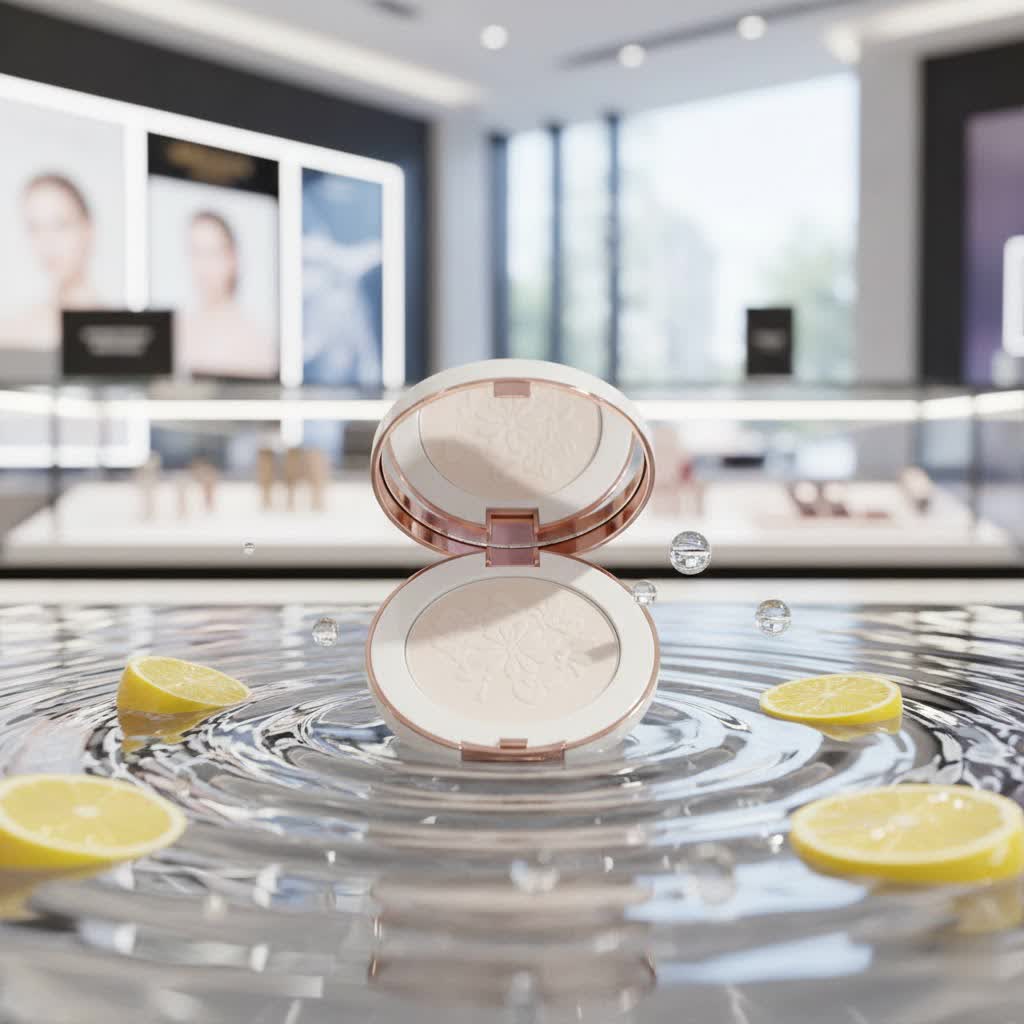
Choosing the right setting powder isn’t just about adding another step to your routine; it’s about elevating your entire makeup game. It’s the secret to minimizing pores, blurring imperfections, and giving your complexion that coveted airbrushed finish. But with an overwhelming array of options on the market, how do you sift through the noise to find your ultimate match? That’s precisely what we’re diving into today – a comprehensive guide to understanding, selecting, and mastering the art of the best face setting powder for your unique skin and style.
Why Every Makeup Routine Needs the Best Face Setting Powder
Let’s cut to the chase: what exactly does a setting powder do, and why is it so indispensable? Think of it as the ultimate seal for your liquid or cream products. A high-quality setting powder performs several crucial functions:
- Locks Makeup in Place: Its primary role is to set your foundation and concealer, preventing them from creasing, smudging, or migrating throughout the day. It creates a protective layer that helps your makeup endure heat, humidity, and the natural oils your skin produces.
- Controls Shine: For those with oily or combination skin, setting powder is a godsend. It absorbs excess sebum, leaving you with a beautiful matte or satin finish, effectively banishing unwanted mid-day shine.
- Blurs Imperfections: Many formulas contain finely milled particles that work wonders in blurring the appearance of pores, fine lines, and uneven skin texture, giving your skin a smoother, more refined look.
- Extends Wear: By creating a barrier and absorbing oils, setting powder significantly prolongs the wear time of your makeup, keeping your complexion looking fresh and polished for hours longer.
Without a good setting powder, even the most expensive foundation can fall short, leaving you with a less-than-perfect finish.
Decoding Your Perfect Match: Types of Face Setting Powders
Navigating the world of face powders can feel like learning a new language. However, understanding the different types is fundamental to choosing the best face setting powder for your needs.
Loose Setting Powder: The Airbrush Effect
Loose setting powder is typically very finely milled, giving it a light, airy texture. This characteristic makes it excellent for creating a smooth, almost airbrushed finish.
- Pros: It’s renowned for its ability to set makeup seamlessly without adding significant weight or coverage. Loose powders are fantastic for all-over setting, especially when you want a natural, diffused look. They are also the go-to for “baking” techniques, which provide exceptional oil control and long-lasting wear, particularly for areas like the under-eyes. Many formulas are translucent, meaning they won’t alter your foundation shade. [cite: 3, 4, 1 (search 4)]
- Cons: Due to its fine texture, loose powder can be a bit messy to work with, and it’s less portable than its pressed counterpart.
- Best For: Achieving a long-wear, professional finish, elaborate makeup looks, and those who prioritize oil control and blurring effects.
|
Our Picks for the Best Face Powder in 2026
As an Amazon Associate I earn from qualifying purchases.
|
||
| Num | Product | Action |
|---|---|---|
| 1 | Maybelline Fit Me Matte + Poreless Pressed Face Powder Makeup & Setting Powder, Fair Ivory, 1 Count |

|
| 2 | Maybelline Fit Me Matte + Poreless Pressed Face Powder Makeup & Setting Powder, Porcelain, 1 Count |
|
| 3 | e.l.f. Perfect Finish HD Powder, Blurs Fine Lines & Imperfections, All Day Wear, Perfect for On The Go, 0.28 Oz |
|
| 4 | PÜR MINERALS 4-in-1 Pressed Mineral Makeup Powder Foundation with SPF 15 - Concealer & Finishing Compact Pressed Powder for Face - Buildable Medium to Full Coverage Foundation Powder |
|
| 5 | e.l.f. Perfect Finish HD Powder - Clear Women Powder 0.28 oz |
|
| 6 | Maybelline Fit Me Matte + Poreless Pressed Face Powder Makeup & Setting Powder, Translucent, 1 Count |
|
| 7 | Laura Mercier Translucent Loose Setting Powder, 24HR Shine Control, Soft Matte Finish, Infused with Vitamins C+ E, Long-Lasting Wear, Normal to Oily Skin, 4 Shades for Virtually All Skin Tones |
|
| 8 | e.l.f. Halo Glow Soft Focus Setting Powder, Silky & Creates Soft Glow Without Shine, Smooths Pores & Lines, Vegan & Cruelty-Free, Light |
|
| 9 | Maybelline Fit Me Matte + Poreless Pressed Face Powder Makeup & Setting Powder, Natural Beige, 1 Count |
|
| 10 | L\'Oreal Paris Infallible Blur-fection Longwear Loose Setting Powder, Blurring Face Powder With Up to 24HRs of Wear, Brightening Light Pink, 1 Kit |
|
Pressed Setting Powder: The On-the-Go Essential
Pressed setting powder, as the name suggests, is compacted into a solid form, usually in a compact with a mirror. This makes it incredibly convenient for portability and quick touch-ups.
- Pros: Its compact nature makes it the ultimate travel companion for on-the-go fixes. Pressed powders often offer a bit more coverage than loose powders, making them suitable for quick touch-ups to mattify shine or provide a natural, velvety finish. They are generally less messy to apply. [cite: 3, 4, 1 (search 4)]
- Cons: If over-applied, pressed powders can sometimes look heavier or emphasize dryness, especially around the eyes or on drier skin types.
- Best For: Midday touch-ups, targeted shine control, and those who prefer a more structured, easily portable product. As I always advise, “Keep a pressed powder in your bag for those emergency shine moments – it’s a lifesaver!”
Translucent vs. Tinted: What’s the Difference?
When exploring the best face setting powder, you’ll encounter both translucent and tinted options.
- Translucent Powders: These are colorless and designed to work across a wide range of skin tones without adding coverage or altering the shade of your foundation. The key is to choose a finely milled formula to avoid any dreaded white cast, especially in photos. [cite: 3, 4, 1 (search 4)]
- Tinted Powders: These powders contain pigments and offer a slight amount of coverage, helping to even out your skin tone while setting your makeup. If you opt for a tinted powder, it’s crucial to select a shade that perfectly matches your foundation to avoid a mismatched look. [cite: 3 (search 3), 4 (search 2), 5 (search 3)]
Specialty Powders: Mineral & HD
Beyond the basic loose and pressed, there are specialized setting powders catering to specific needs:
- Mineral Powders: Formulated with natural ingredients like zinc oxide and titanium dioxide, mineral powders are often lauded for being gentle on sensitive or acne-prone skin. They can provide buildable coverage while offering skin-loving benefits. [cite: 3 (search 3), 4 (search 3)]
- HD (High Definition) or Finishing Powders: These are ultra-fine powders designed to blur pores and soften texture, creating a smooth canvas, especially under harsh lighting or for photography. While they finish the look, they aren’t always intended for heavy-duty setting. [cite: 3 (search 3), 5 (search 4)]
How to Choose the Best Face Setting Powder for Your Skin Type
Matching your setting powder to your skin type is arguably the most critical step in finding your perfect product. A powder that works wonders for oily skin might be a disaster for dry skin.
For Oily Skin: Banish the Shine
If your skin tends to get shiny by midday, you need a setting powder that’s a master of oil absorption.
- Look For: Matte finishes and ingredients like silica, kaolin clay, or rice starch are your best friends. These components are excellent at soaking up excess sebum and keeping shine at bay. Loose powders are often preferred for their superior oil-controlling capabilities and ability to be used for baking. [cite: 1 (search 3), 4 (search 3), 5 (search 3)]
- Avoid: Powders with shimmer or added oils, as these can amplify shine rather than control it.
For Dry Skin: Hydration and Smoothness
Dry skin requires a delicate touch. You want to set your makeup without accentuating dry patches or making your skin feel tight.
- Look For: Luminous or radiant finishes that impart a subtle glow, avoiding overly matte formulas. Opt for ultra-fine powders that won’t settle into fine lines or cling to dry areas. Ingredients like hyaluronic acid or squalane can be beneficial for adding a touch of hydration while setting. [cite: 1 (search 1), 5 (search 1), 1 (search 3), 3 (search 3)]
- Avoid: Heavy, mattifying powders that can make dry skin look flat and emphasize texture.
For Combination Skin: Balance is Key
Combination skin presents a unique challenge: an oily T-zone with drier cheeks. The trick here is strategic application.
- Strategic Application: You might find success using a mattifying powder specifically on your T-zone and a more hydrating or luminous powder on drier areas. Alternatively, a translucent, finely milled loose powder can work well all over if applied lightly, focusing on oily areas with a bit more product.
For Sensitive & Acne-Prone Skin: Gentle Formulations
If your skin is prone to breakouts or irritation, ingredients matter immensely.
- Look For: Non-comedogenic (won’t clog pores), talc-free, fragrance-free, and hypoallergenic formulas. Mineral powders, with ingredients like zinc oxide, are often recommended as they tend to be gentler and less likely to cause irritation. [cite: 1 (search 3), 4 (search 3), 5 (search 3)]
For Mature Skin: Smooth and Blur, Not Settle
Mature skin often has fine lines and wrinkles that powder can settle into, making them more prominent.
- Look For: Ultra-fine, blurring, and luminous powders that provide a soft-focus effect without settling into creases. Lightweight, skin-like finishes are ideal. As a rule of thumb, “less is more” for mature skin, applying powder strategically only where needed. [cite: 3 (search 1), 4 (search 3), 1 (search 4)]
- Avoid: Heavy, full-coverage, or overly matte powders that can emphasize texture and dryness.
Masterful Application Techniques for the Best Face Setting Powder
Even with the best face setting powder in hand, application technique can make or break your look. Here’s how to apply it like a pro:
The “Less is More” Philosophy
This is perhaps the most crucial rule in powder application. It’s always easier to add a little more product than to remove excess without disturbing your makeup. Start with a small amount and build up if needed. This prevents a cakey or over-powdered appearance.
Tools of the Trade: Brushes vs. Puffs
The right tool can transform your application:
- Fluffy Powder Brush: Ideal for a light, all-over dusting. Dip your brush into the powder, tap off any excess, and gently sweep or roll it over your face. This creates a soft, diffused finish. [cite: 4 (search 2), 3 (search 3)]
- Powder Puff or Sponge: Best for pressing powder into the skin, especially for targeted oil control or the “baking” technique. This method provides more intense setting power. [cite: 3 (search 3), 4 (search 4)]
Baking Your Way to Flawless
“Baking” is a technique that involves applying a generous layer of loose setting powder to specific areas, letting it sit for several minutes, and then dusting off the excess.
- How To: After applying your liquid foundation and concealer, press a thick layer of loose powder onto areas you want to brighten or keep crease-free (like under your eyes, your T-zone, or jawline). Let it sit for 5-10 minutes. The warmth from your skin will “bake” the makeup, creating a smooth, long-lasting finish. Gently brush away the excess powder with a fluffy brush.
- Benefits: This technique offers incredible longevity, minimizes creasing, and provides superior oil control, especially for the under-eye area.
Targeted Application: Where to Focus
You don’t always need to powder your entire face. Focus on the areas that need it most:
- T-zone: Forehead, nose, and chin are often the first to get oily.
- Under Eyes: To set concealer and prevent creasing.
- Around the Mouth: To prevent lipstick feathering or makeup settling into fine lines.
Common Mistakes and How to Fix Them
Even seasoned makeup enthusiasts can fall into common setting powder traps. Here’s how to avoid them and ensure your best face setting powder works its magic:
- Over-powdering: This is the quickest way to end up with a cakey, mask-like, or dry appearance. The solution is simple: use less product. Tap off excess from your brush or puff, and apply in thin layers.
- Wrong Shade Choice: Using a tinted powder that doesn’t match your foundation can lead to a noticeable discoloration. Translucent powders are generally safer, but even with them, ensure they are finely milled to avoid a dreaded white cast, especially in flash photography. [cite: 4 (search 2), 4 (search 3)]
- Ignoring Seasonal Changes: Your skin’s needs fluctuate with the weather. In humid summers, you might need a more mattifying, oil-absorbing formula, while in dry winters, a lighter, more hydrating option might be better. Don’t be afraid to switch up your best face setting powder throughout the year. [cite: 4 (search 3)]
- Applying Too Much Under Eyes: The delicate skin under the eyes is prone to creasing. Heavy powder application here will only exacerbate the issue. Use a small, fluffy brush or a damp sponge to lightly press a finely milled powder only where needed.
- Applying Powder to Wet Foundation: Ensure your liquid or cream products have settled slightly before applying powder. Applying powder directly onto wet foundation can create a patchy, uneven finish.
“Always wait for your liquid base to slightly dry before powdering,” advises our very own Iptpr.com expert, Amelia Clarke. “It creates a smoother canvas and prevents cakiness.”
Expert Picks: Our Top Recommendations for the Best Face Setting Powder
Based on years of experience and countless product tests, I’ve identified key characteristics that define the best face setting powder, regardless of brand.
- The Overall Classic: A finely-milled, universally translucent loose powder that blurs imperfections, controls shine, and offers impressive longevity without feeling heavy. It’s the kind of product that consistently performs, setting makeup invisibly.
- Budget-Friendly Brilliance: An accessible yet highly effective mattifying pressed powder that tackles shine and provides a smooth finish without breaking the bank. It proves that quality doesn’t always come with a high price tag.
- For Undereyes Perfection: A brightening, non-creasing, and exceptionally finely-milled powder specifically designed for the delicate under-eye area. These formulas minimize fine lines and dark circles without settling or causing flashback.
- Luxury Indulgence: A weightless, skin-blurring formula that elevates the entire makeup experience. These often feature advanced ingredients that not only set makeup but also provide added skincare benefits, leaving your skin looking effortlessly radiant and perfected.
FAQ: Your Burning Questions About Face Setting Powder Answered
Q: What’s the difference between setting powder and finishing powder?
A: Setting powder is primarily used to lock liquid/cream makeup in place and control shine, extending wear. Finishing powder, on the other hand, is designed to blur imperfections, smooth texture, and give a polished look, often used as the final step. While some products can do both, their main intentions differ. [cite: 4 (search 3), 5 (search 4)]
Q: Can I use setting powder without foundation?
A: Absolutely! If you prefer a more natural look or just want to control shine, you can apply a translucent setting powder directly onto bare, moisturized skin. It helps to mattify, blur pores, and create a smooth canvas without the need for a full face of foundation.
Q: How do I prevent setting powder from looking cakey?
A: The key is light application. Use a minimal amount of powder, tap off any excess from your brush or puff, and press or sweep it gently onto your skin. Focus on areas that tend to get oily, and avoid over-layering, especially in dry areas.
Q: Does setting powder cause flashback in photos?
A: Some setting powders, particularly those containing high amounts of silica or certain mineral ingredients, can cause a white cast or “flashback” in photos, especially with flash photography. To avoid this, opt for finely milled translucent powders or those specifically marketed as “flash-friendly.” [cite: 4 (search 2)]
Q: How often should I reapply setting powder?
A: This depends on your skin type and environment. If you have oily skin or are in a humid climate, you might need to touch up your T-zone once or twice during the day with a pressed powder. For drier skin types, a single application in the morning is often sufficient.
Q: Is talc in setting powder bad for my skin?
A: Talc has been a subject of debate. While cosmetic-grade talc is considered safe and has been used for decades to absorb oil and create a smooth finish, some prefer talc-free formulations, especially for sensitive or acne-prone skin. Many excellent talc-free options are available today, using ingredients like corn starch or silica. [cite: 1 (search 1), 1 (search 3)]
Conclusion
Finding the best face setting powder is more than just a beauty purchase; it’s an investment in your confidence and the longevity of your makeup. With the knowledge of different types, understanding your skin’s unique needs, and mastering a few simple application techniques, you’re now equipped to choose a setting powder that truly transforms your routine. Remember, makeup is about enhancing your natural beauty and feeling good in your skin. So, experiment, find what works best for you, and embrace the power of a perfectly set, flawless complexion. Share your favorite setting powder tips and discoveries with us at Iptpr – we love hearing how you achieve your perfect finish!
