Welcome, beauty enthusiasts! As a seasoned expert with over 15 years in the captivating world of face powder, and the primary content creator for Iptpr.com, I’m thrilled to share my deep knowledge to help you master Face Powder Makeup. This isn’t just about dusting on a product; it’s about understanding a transformative tool that can elevate your entire complexion, from controlling shine to setting your look for all-day wear. Let’s dive in and unlock the secrets to achieving a truly flawless finish.
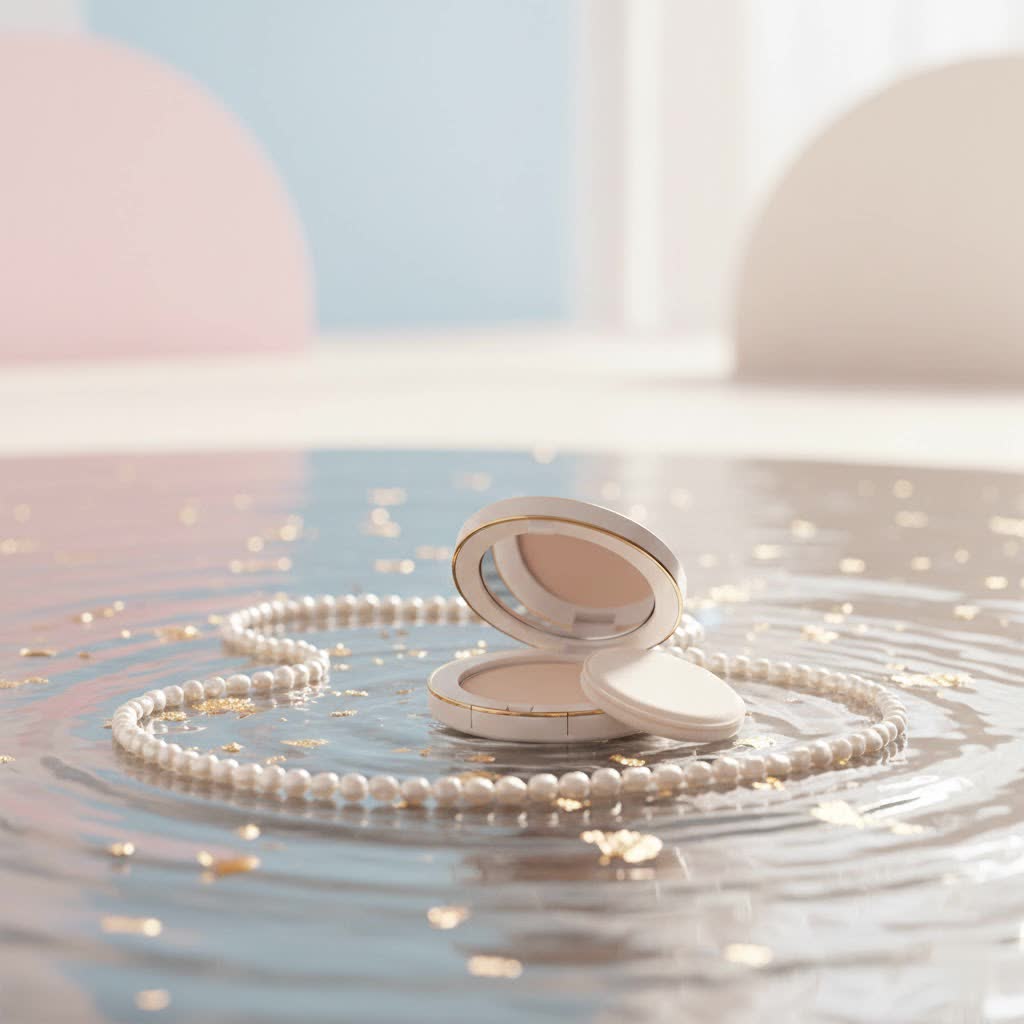
Face powder is a finely milled cosmetic product that serves as a cornerstone in any comprehensive makeup routine. Whether you’re aiming to absorb excess oil, set your foundation and concealer, or blur imperfections for an airbrushed effect, understanding the nuances of this versatile product is key. It’s designed to create a smooth, matte, or luminous canvas, making it an indispensable step for both everyday wear and professional artistry.
The Many Faces of Face Powder: Understanding the Types
The world of face powder makeup is diverse, with each type designed to achieve specific results. Knowing the differences is the first step toward finding your perfect match.
Loose Powder
|
Our Picks for the Best Face Powder in 2026
As an Amazon Associate I earn from qualifying purchases.
|
||
| Num | Product | Action |
|---|---|---|
| 1 | e.l.f. Halo Glow Soft Focus Setting Powder, Silky & Creates Soft Glow Without Shine, Smooths Pores & Lines, Vegan & Cruelty-Free, Light |

|
| 2 | L\'Oreal Paris Infallible Blur-fection Longwear Loose Setting Powder, Blurring Face Powder With Up to 24HRs of Wear, Brightening Light Pink, 1 Kit |
|
| 3 | Maybelline Fit Me Matte + Poreless Pressed Face Powder Makeup & Setting Powder, Natural Beige, 1 Count |
|
| 4 | Laura Mercier Translucent Loose Setting Powder, 24HR Shine Control, Soft Matte Finish, Infused with Vitamins C+ E, Long-Lasting Wear, Normal to Oily Skin, 4 Shades for Virtually All Skin Tones |
|
| 5 | PÜR MINERALS 4-in-1 Pressed Mineral Makeup Powder Foundation with SPF 15 - Concealer & Finishing Compact Pressed Powder for Face - Buildable Medium to Full Coverage Foundation Powder |
|
| 6 | e.l.f. Perfect Finish HD Powder - Clear Women Powder 0.28 oz |
|
| 7 | e.l.f. Perfect Finish HD Powder, Blurs Fine Lines & Imperfections, All Day Wear, Perfect for On The Go, 0.28 Oz |
|
| 8 | Maybelline Fit Me Matte + Poreless Pressed Face Powder Makeup & Setting Powder, Fair Ivory, 1 Count |
|
| 9 | Maybelline Fit Me Matte + Poreless Pressed Face Powder Makeup & Setting Powder, Porcelain, 1 Count |
|
| 10 | Maybelline Fit Me Matte + Poreless Pressed Face Powder Makeup & Setting Powder, Translucent, 1 Count |
|
Loose powder is characterized by its fine, lightweight texture and typically comes in a jar. It’s ideal for setting liquid or cream foundations, absorbing excess oil, and providing a natural, sheer finish. This type is a favorite for overall setting and shine control, especially for those with oily or combination skin.
Pressed Powder
Conveniently compacted into a pan, pressed powder is your go-to for on-the-go touch-ups. It generally offers more coverage than loose powder and helps to refresh your look throughout the day without adding extra layers of foundation. Pressed powders are great for quick fixes and can be applied with a sponge or a brush.
Translucent Powder
Think of translucent powder as the “invisible hero” of face powder makeup. This sheer, colorless powder sets your makeup without altering the shade of your foundation or concealer. It’s universally flattering for all skin tones and is excellent for reducing shine and creating a smooth, matte finish.
Setting Powder
As its name suggests, setting powder is specifically formulated to lock your foundation and concealer in place, extending the longevity of your makeup. It helps prevent creasing and smudging, ensuring your look stays fresh for hours. Setting powders often contain oil-absorbing ingredients to combat shine throughout the day.
Finishing Powder
Applied after your setting powder and all other makeup, finishing powder is like the final polish for your complexion. It’s designed to blur imperfections, smooth skin texture, and minimize the appearance of fine lines and pores, creating a soft-focus, airbrushed effect. Many finishing powders are ultra-fine and may contain light-diffusing particles to enhance radiance.
Mineral Powder
For those seeking a more natural or skin-friendly option, mineral powder is an excellent choice. Made from finely ground natural minerals like silica, zinc oxide, and titanium dioxide, it often provides buildable coverage, can be beneficial for sensitive or acne-prone skin, and may even offer mild SPF protection.
What’s Inside Your Face Powder? Key Ingredients & Their Roles
Understanding the ingredients in your face powder makeup is crucial for making informed choices that benefit your skin. These components determine how the powder performs, from its texture to its oil-absorbing capabilities.
Talc
Talc is a naturally occurring mineral known for its smooth texture and excellent oil-absorbing properties, making it a common base ingredient in many traditional powders. However, due to past concerns regarding potential asbestos contamination, many brands now offer talc-free alternatives. Always look for “asbestos-free” certification if using talc-based formulas.
Silica
A lightweight, highly effective oil-absorbing mineral, silica is a powerhouse for keeping shine at bay without drying out the skin. It also helps blur pores and fine lines, creating a soft-focus effect. Non-nano silica is often preferred, especially in loose formulations, to minimize inhalation risks.
Mica
This shimmering mineral is included in powders to provide a luminous finish and improve smooth application. Mica reflects light, contributing to a radiant glow or a soft-focus blurring effect, depending on its particle size and concentration.
Zinc Oxide and Titanium Dioxide
Often found in mineral powders, zinc oxide and titanium dioxide are natural mineral filters that offer mild sun protection (SPF). Zinc oxide also boasts anti-inflammatory properties, which can be beneficial for sensitive, acne-prone, or rosacea-affected skin.
Starches (Corn Starch, Rice Starch, Arrowroot Powder)
These plant-based ingredients are natural alternatives to talc and silica for oil absorption. They gently mattify the skin and provide a soft, smooth finish, making them popular in “clean beauty” formulations.
Choosing Your Perfect Match: Face Powder for Every Skin Type
Selecting the right face powder makeup formula for your skin type is essential for optimal results and to avoid common pitfalls like cakiness or excessive dryness.
Oily Skin
If your skin is prone to shine, particularly in the T-zone, opt for oil-free, mattifying loose or translucent powders. Look for ingredients like kaolin clay, silica, or rice powder, which are excellent at absorbing excess sebum without clogging pores. Avoid heavy pressed powders that might feel suffocating.
Dry Skin
For those with dry skin, the key is hydration and a finely milled texture that won’t accentuate dry patches or fine lines. Choose hydrating powders labeled “luminous” or “radiant,” which may contain moisturizing ingredients such as squalane, glycerin, or hyaluronic acid. Apply sparingly, focusing only on areas that genuinely need setting, such as under the eyes.
Combination Skin
Combination skin can be tricky, with an oily T-zone and drier cheeks. A strategic approach is best: use translucent powder on your T-zone to control shine and skip your cheeks, or apply a lightweight pressed powder all over with a very light hand. Layering different formulas strategically helps maintain balance.
Sensitive or Acne-Prone Skin
If your skin is sensitive or prone to breakouts, prioritize non-comedogenic (non-pore-clogging) and fragrance-free formulas. Mineral-based powders, especially those with zinc oxide or titanium dioxide, can be soothing and provide coverage without irritation.
Mature Skin
For mature skin, avoid heavy, chalky powders that can settle into fine lines and wrinkles. Instead, opt for HD or silk-finish powders that blur imperfections without emphasizing texture. Applying powder with a damp sponge can also help achieve a more seamless, natural blend.
Master the Art: How to Apply Face Powder Makeup Like a Pro
Applying face powder makeup correctly can transform your look from good to absolutely flawless. Here’s a step-by-step guide to achieving professional-level results every time:
Prepping Your Skin
Start with a clean, well-moisturized base. Apply your foundation and concealer as usual, then allow liquid or cream products about 30-60 seconds to partially set. This crucial step ensures the powder adheres smoothly and prevents patchiness.
Tools of the Trade
- For loose powder: A large, fluffy brush or a velour puff.
- For pressed powder: A dense kabuki brush for more coverage, or a fluffy brush for a sheerer finish. A clean sponge can also work wonders, especially for targeted application.
Application Techniques
- Less is More: Always start with a small amount of powder. You can always add more, but it’s much harder to remove excess without disturbing your makeup. Tap off any extra product from your brush or puff.
- Focus on High-Oil Zones: Concentrate your powder application primarily on areas prone to shine or creasing, such as your T-zone (forehead, nose, chin), under the eyes, and around the mouth. You don’t necessarily need to powder your entire face unless you have very oily skin.
- Press, Don’t Swipe: For setting, gently press or stipple the powder into your skin using your chosen tool. Swiping can disturb the foundation and concealer underneath, leading to a streaky finish.
- The Art of “Baking”: For an extra long-lasting and crease-free under-eye area, especially after concealer, apply a generous layer of translucent loose powder with a damp sponge or puff. Let it “bake” for 2-5 minutes, allowing your body heat to melt it into the skin. Then, gently dust off the excess with a clean, fluffy brush.
Targeted Application
Consider a “targeted setting” approach. Powder only where needed, leaving areas like the tops of your cheekbones bare to maintain a natural glow. This method creates a balanced, skin-like finish that many makeup artists prefer.
Common Face Powder Makeup Mistakes & How to Fix Them
Even experienced makeup users can make mistakes. Recognizing and correcting these common errors will ensure your face powder makeup always looks impeccable.
Over-Powdering
Applying too much face powder is perhaps the most common mistake, leading to a flat, mask-like, or cakey appearance that can accentuate fine lines.
Solution: Always use a light hand and build coverage gradually. Tap off excess product from your brush before applying.
Using the Wrong Shade
A tinted powder that doesn’t match your skin tone can create a noticeable line or an unnatural cast, making your face look disconnected from your neck.
Solution: Always swatch tinted powders on your jawline in natural daylight to ensure a seamless match. When in doubt, go slightly lighter.
Skipping Blotting Before Touch-Ups
Applying powder directly over oily skin without blotting first can trap grease and cause your makeup to look muddy or patchy.
Solution: Before reapplying powder during the day, gently blot away any excess oil with an oil-absorbing sheet or tissue. Then, apply a minimal amount of powder only where needed.
Ignoring Skin Type Needs
Using a heavy matte powder on dry skin can lead to a flaky, uncomfortable finish, while skipping powder on oily skin can result in midday shine meltdown.
Solution: Always match your face powder makeup formula to your skin type. Hydrating formulas for dry skin, oil-absorbing for oily skin.
Using Dirty Tools
Brushes and puffs accumulate old product, oil, and bacteria, which can transfer to your face, leading to breakouts and an uneven application.
Solution: Clean your makeup brushes and sponges regularly (at least weekly) with a gentle soap or brush cleanser.
Expert Tips for Flawless Face Powder Makeup Application
To truly master your face powder makeup routine, consider these expert insights:
“Face powder is not just a cosmetic; it’s a strategic tool. The secret to a perfect finish lies not just in the product itself, but in the intentionality of its application – a gentle touch can transform your entire complexion, providing both longevity and a luminous, natural look,” says Dr. Elara Vance, a renowned cosmetic chemist and founder of the ‘Radiant Skin Institute’.
- Prep, Prep, Prep: A well-hydrated and primed base is the foundation for any successful powder application.
- Targeted Setting is Key: Don’t feel obligated to powder your entire face. Focus on areas that truly need shine control or setting.
- Damp Sponge Magic: For a more natural, skin-like finish with pressed powder, try dampening your sponge slightly before pressing the product into your skin.
- Refresh, Don’t Re-cake: When touching up, blot away oil first, then use minimal powder. If your makeup feels heavy, a light mist of setting spray can help refresh and meld the layers.
Frequently Asked Questions about Face Powder Makeup
Here are some common questions I hear from the Iptpr community:
Q: What is the difference between setting powder and finishing powder?
A: Setting powder is primarily used to lock foundation and concealer in place, extending makeup wear and controlling oil. Finishing powder, on the other hand, is applied as the final step to blur imperfections, smooth texture, and give an airbrushed effect, often with light-diffusing properties.
Q: Can I use face powder without foundation?
A: Absolutely! Many translucent or tinted powders can be worn alone to mattify shiny areas, even out minor redness, or provide a soft-focus finish for a minimal makeup look.
Q: How do I stop my face powder from looking cakey?
A: To prevent a cakey finish, use a very light hand, apply powder only to areas that need it, and always dust off excess product. Opt for finely milled formulas and ensure your skin is well-hydrated before application.
Q: Is face powder suitable for all skin types?
A: Yes, face powder is suitable for all skin types, but selecting the right formula is key. Dry skin benefits from hydrating or luminous powders, while oily skin thrives with mattifying and oil-absorbing options.
Q: How often should I replace my face powder?
A: Generally, loose and pressed face powders should be replaced every 12-24 months after opening. If you notice a change in smell, texture, or if you’ve had a skin infection, replace it sooner for hygiene.
Conclusion: Why Face Powder Makeup Deserves a Permanent Spot in Your Routine
Face powder makeup is far more than a simple finishing touch; it’s a dynamic essential that profoundly impacts the performance and appearance of your entire makeup look. From extending wear time and controlling unwanted shine to blurring imperfections and providing a refined, polished finish, its benefits are invaluable. By understanding the diverse types, recognizing the power of key ingredients, choosing wisely for your specific skin type, and mastering expert application techniques, you can unlock the full potential of this humble yet mighty product.
At Iptpr, we believe that informed choices lead to confident beauty. Embrace the transformative power of face powder, and you’ll find yourself reaching for this reliable ally day after day, enjoying a beautifully set, long-lasting, and effortlessly flawless complexion. Experiment, learn, and let your skin glow with the confidence that comes from truly understanding your makeup.
