As a beauty veteran with over 15 years in the field and the lead content creator for iptpr.com, I’ve seen countless trends come and go. Yet, one product has consistently proven its worth, evolving from a niche offering to a staple in modern beauty routines: Mineral Face Powder. It’s more than just makeup; it’s a fusion of cosmetic elegance and genuine skincare, designed to enhance your natural beauty while nurturing your complexion. Whether you’re seeking a lightweight foundation, impeccable oil control, or a gentle touch for sensitive skin, understanding mineral face powder is your secret to a truly radiant, confident look.
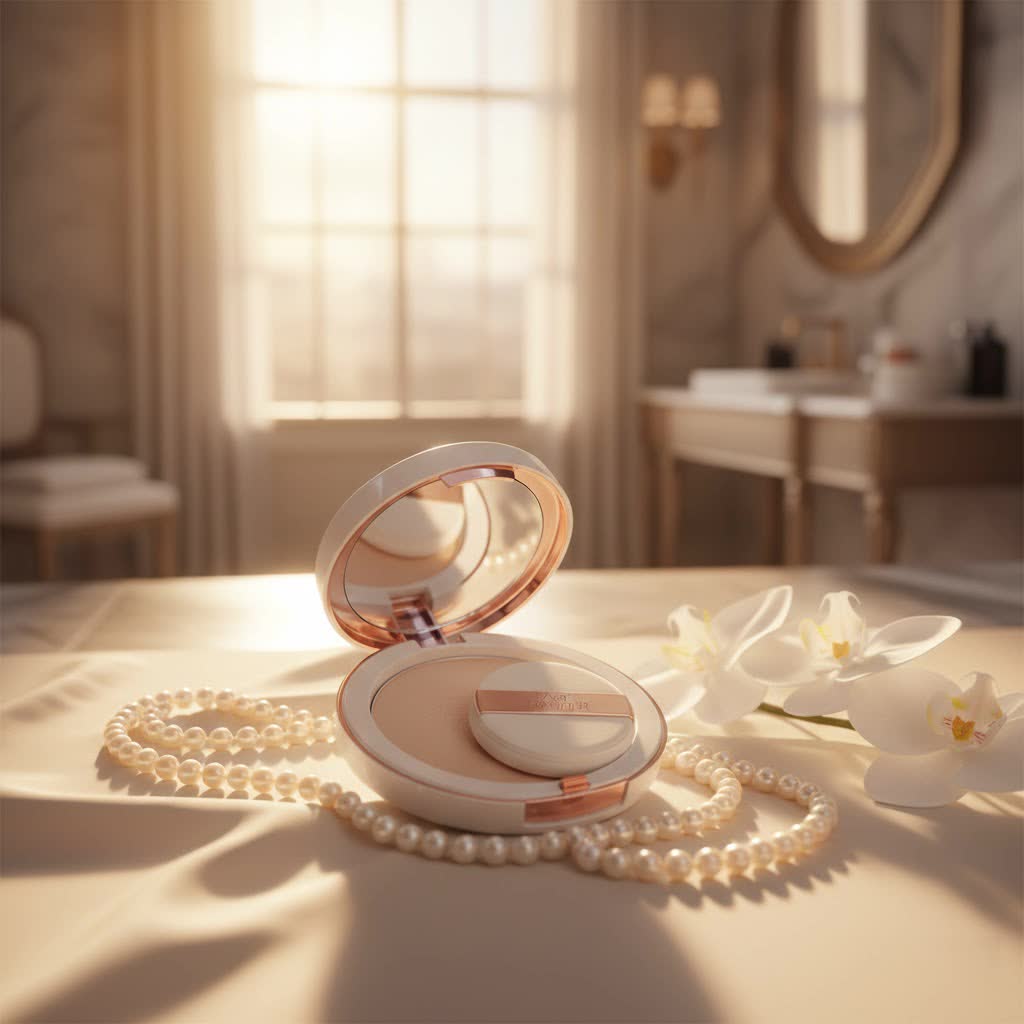
What Makes Mineral Face Powder Unique?
Mineral face powder stands apart from traditional formulas primarily due to its composition. It’s built on a foundation of earth-derived minerals, carefully selected for their skin-loving properties and aesthetic benefits.
The Power of Pure Ingredients
At its heart, mineral face powder harnesses the natural efficacy of inorganic compounds. The star players typically include:
- Titanium Dioxide (TiO₂): This mineral acts as both a pigment and a physical sunscreen agent. It effectively reflects harsh UVA and UVB rays, offering natural, broad-spectrum UV protection without relying on chemical filters.
- Zinc Oxide (ZnO): A true powerhouse, zinc oxide provides excellent sun protection, often superior to titanium dioxide alone. Beyond its UV-blocking capabilities, it’s celebrated for its anti-inflammatory and antimicrobial properties, making it a soothing ally for acne-prone or rosacea-affected skin.
- Mica: This silicate mineral adds a beautiful luminosity and a silky “slip” to the powder, ensuring smooth application and a radiant, soft-focus finish.
- Iron Oxides: These are the natural pigments that give mineral powders their diverse range of shades, from delicate fair tones to rich, deep hues, all without the need for artificial dyes.
- Silica and Kaolin Clay: Often found in mineral formulas, these ingredients are fantastic natural oil absorbers, helping to reduce shine and create a matte finish without over-drying the skin.
|
Our Picks for the Best Face Powder in 2026
As an Amazon Associate I earn from qualifying purchases.
|
||
| Num | Product | Action |
|---|---|---|
| 1 | Maybelline Fit Me Matte + Poreless Pressed Face Powder Makeup & Setting Powder, Natural Beige, 1 Count |

|
| 2 | e.l.f. Halo Glow Soft Focus Setting Powder, Silky & Creates Soft Glow Without Shine, Smooths Pores & Lines, Vegan & Cruelty-Free, Light |
|
| 3 | L\'Oreal Paris Infallible Blur-fection Longwear Loose Setting Powder, Blurring Face Powder With Up to 24HRs of Wear, Brightening Light Pink, 1 Kit |
|
| 4 | Laura Mercier Translucent Loose Setting Powder, 24HR Shine Control, Soft Matte Finish, Infused with Vitamins C+ E, Long-Lasting Wear, Normal to Oily Skin, 4 Shades for Virtually All Skin Tones |
|
| 5 | e.l.f. Perfect Finish HD Powder - Clear Women Powder 0.28 oz |
|
| 6 | PÜR MINERALS 4-in-1 Pressed Mineral Makeup Powder Foundation with SPF 15 - Concealer & Finishing Compact Pressed Powder for Face - Buildable Medium to Full Coverage Foundation Powder |
|
| 7 | Maybelline Fit Me Matte + Poreless Pressed Face Powder Makeup & Setting Powder, Porcelain, 1 Count |
|
| 8 | Maybelline Fit Me Matte + Poreless Pressed Face Powder Makeup & Setting Powder, Fair Ivory, 1 Count |
|
| 9 | e.l.f. Perfect Finish HD Powder, Blurs Fine Lines & Imperfections, All Day Wear, Perfect for On The Go, 0.28 Oz |
|
| 10 | Maybelline Fit Me Matte + Poreless Pressed Face Powder Makeup & Setting Powder, Translucent, 1 Count |
|
What you often won’t find in high-quality mineral face powder are common irritants like talc, synthetic fragrances, parabens, phthalates, or chemical dyes. This minimalist approach significantly reduces the risk of irritation, making it an ideal choice for even the most reactive skin types. However, it’s worth noting that some formulations might include bismuth oxychloride, which can sometimes cause itching or irritation for certain individuals. Always check the ingredient list if you have a history of sensitivity.
Loose vs. Pressed: Finding Your Perfect Match
Mineral face powders come in two primary forms: loose and pressed. Each offers distinct advantages, catering to different preferences and needs.
- Loose Mineral Powder: Known for its finely milled texture, loose mineral powder provides a sheer-to-medium, buildable coverage with exceptional oil-absorbing capabilities. It’s perfect for achieving a natural, “no-makeup” look and is often preferred by those with oily T-zones due to its superior mattifying effect. However, it can be a bit messier to apply.
- Pressed Mineral Powder: Encased in a convenient compact, pressed powder is ideal for on-the-go touch-ups. It typically offers medium, buildable coverage and often contains binding agents that make it slightly more hydrating than its loose counterpart. It’s less messy but some formulations might feel a tad heavier if not applied sparingly.
Why Your Skin Will Love Mineral Face Powder: Key Benefits
From calming sensitivity to protecting against environmental aggressors, mineral face powder offers a spectrum of benefits that go far beyond mere aesthetics.
A Gentle Touch for Sensitive Skin
If your skin easily reacts to conventional makeup, mineral face powder can be a game-changer. Its pure formulations, typically free from common irritants like fragrance, alcohol, and synthetic preservatives, make it incredibly gentle. “Mineral powders are among the few makeup products I confidently recommend to my clients with compromised skin barriers,” shares Anastasia Petrova, Lead Formulations Scientist at Iptpr. “Their anti-inflammatory properties help calm redness while providing a polished finish—something rare in conventional cosmetics.” The presence of zinc oxide, in particular, contributes to a soothing effect, reducing redness and irritation often associated with conditions like rosacea or eczema. It’s also inherently non-comedogenic, meaning it won’t clog pores, thereby minimizing breakouts.
Natural Sun Protection & Environmental Shield
Many mineral face powders contain zinc oxide and titanium dioxide, offering inherent broad-spectrum SPF protection (often around SPF 15-30). This provides a crucial layer of daily defense against harmful UVA and UVB rays, helping to prevent sun damage and premature aging. Think of it as an invisible shield for your skin. Moreover, because mineral powders sit on the skin’s surface rather than sinking into pores, they create a breathable physical barrier that helps protect against environmental pollutants, which is particularly beneficial for those living in urban environments.
Flawless Finish, Never Cakey
One of the most remarkable aspects of mineral face powder is its ability to deliver buildable coverage without ever feeling heavy or looking cakey. Its finely milled particles blend seamlessly into the skin, offering a soft-focus, airbrushed effect that blurs the appearance of pores, fine lines, and minor imperfections. You can achieve anything from a sheer veil to a more substantial, natural-looking coverage simply by layering.
Oil Control Without Over-Drying
For those battling excess shine, mineral face powder is an absolute blessing. Ingredients like silica and kaolin clay work diligently to absorb excess sebum in the T-zone, delivering a beautiful matte finish that lasts throughout the day. Crucially, it does so without stripping the skin of its natural moisture, preventing the tight or flaky feeling often associated with harsh mattifying products. It strikes that perfect balance, keeping your complexion fresh and shine-free.
Choosing Your Mineral Face Powder: A Personalized Approach
Selecting the right mineral face powder is about understanding your unique skin needs and finding a formula that truly complements them.
For Oily Skin Types
If your skin tends to be shiny and prone to breakouts, opt for mineral powders specifically designed for oil control. Look for formulations rich in silica or kaolin clay, which are excellent at absorbing excess sebum. A matte finish will be your best friend. These powders help maintain a fresh complexion, preventing mid-day shine without feeling heavy.
For Dry or Mature Skin
Dry or mature skin requires a more delicate touch. Look for finely milled mineral powders that contain hydrating ingredients like hyaluronic acid or aloe vera in some formulas. Avoid anything that feels too mattifying, as this can accentuate dryness or fine lines. For an extra boost of hydration and a dewy finish, a brilliant tip is to mix a tiny pinch of your mineral powder with your favorite facial oil or moisturizer before application.
For Combination Skin
Combination skin demands a balanced approach – controlling oil in the T-zone while maintaining hydration in drier areas. Seek out dual-action or adaptable mineral powders. Loose powders often excel here for their superior oil absorption in the T-zone, while certain pressed formulations can offer a touch more hydration for the cheeks. It’s all about finding that harmonious balance to avoid an overly matte or overly dewy look across your face.
For Acne-Prone and Sensitive Skin
This is where mineral face powder truly shines. Its non-comedogenic nature means it won’t clog pores, a major culprit for breakouts. Prioritize formulas that are fragrance-free, hypoallergenic, and rich in zinc oxide, which has calming, anti-inflammatory properties beneficial for reducing redness and irritation. Always review the ingredient list carefully to ensure it’s free from potential irritants like bismuth oxychloride.
Decoding Shades and Undertones
Choosing the correct shade is crucial for a seamless finish. While mineral powders typically oxidize less than liquid foundations, understanding your skin’s undertone (cool, warm, or neutral) is still key. Test shades on your jawline in natural light to find the perfect match that blends invisibly with your neck.
Master the Art: How to Apply Mineral Face Powder Like a Pro
Applying mineral face powder isn’t just dusting it on; it’s a technique that, when mastered, can transform your complexion. Here’s my expert-approved workflow for a flawless, natural finish.
Step 1: Prep Your Canvas
Before any makeup application, a clean, moisturized base is paramount.
- Cleanse and Moisturize: Start with freshly cleansed and hydrated skin.
- Allow Absorption: This is critical! Give your moisturizer, serum, or sunscreen at least 3-5 minutes to fully absorb into your skin. Applying powder too soon on damp skin can lead to blotchiness, streaks, and even color oxidation.
- Primer (Optional but Recommended): If you have large pores or an oily T-zone, a silicone-free, water-based primer can create an even smoother canvas and extend wear. Avoid heavy silicone primers as they can interfere with mineral adhesion.
Step 2: The Right Tools Matter
Your application tool plays a huge role in the final look.
- For Foundation/Coverage: A dense, firm kabuki brush is your best friend. Its packed bristles pick up and distribute mineral powder evenly for excellent, buildable coverage.
- For Light Setting/Finishing: A large, fluffy powder brush is ideal for a lighter dusting to set makeup or reduce shine without adding much coverage.
Step 3: The “Swirl, Tap, Buff” Technique
This is the golden rule for applying loose mineral powder beautifully.
- Swirl: Tap a small amount of mineral powder into the lid of its jar. Dip your kabuki brush into the powder and swirl it gently to pick up the product evenly onto the bristles.
- Tap: Tap the brush handle on the edge of the lid to knock off any excess powder. This prevents over-application and ensures a smooth finish. Never blow on your brush, as this can introduce moisture and bacteria.
- Buff: Start at the center of your face (where you usually need the most coverage) and buff the powder onto your skin using gentle, circular motions. Work your way outwards towards your hairline, jawline, and neck, ensuring seamless blending. This method ensures even distribution and prevents harsh lines.
- Build Layers: Mineral powder is buildable. Apply one light layer first, assess the coverage, and then add more only where needed – typically on the forehead, nose, and chin. Gradually building layers prevents a mask-like or cakey appearance.
Step 4: Setting and Finishing Touches
- Setting Liquid Foundation: Mineral powder works wonderfully as a setting powder over liquid or cream foundations, helping them last longer and providing a natural matte finish.
- Targeted Oil Control: Use a small fluffy brush to lightly dust translucent mineral powder on areas prone to shine throughout the day, like your T-zone.
Avoiding Common Mineral Face Powder Mistakes
Even with the best product, incorrect application can lead to less-than-ideal results. Here are the most frequent blunders and how to steer clear of them:
Applying on Damp Skin
This is arguably the biggest mistake. Applying mineral powder over wet moisturizer, primer, or sunscreen can cause the pigments to clump, creating blotchy areas, streaks, and even altering the color of the powder (oxidation). The fix: Always allow skincare products to fully absorb and dry completely (5-10 minutes is usually sufficient) before applying mineral powder. Lightly blot your skin with a tissue if needed to remove excess moisture.
Over-Application
Thinking “more is more” with mineral powder is a common pitfall that leads to a cakey, unnatural, or flat appearance. Mineral powders are highly pigmented. The fix: Embrace the “less is more” philosophy. Start with a very small amount, use the swirl-tap-buff method, and build coverage gradually in thin layers. It’s always easier to add more than to remove excess.
Using the Wrong Application Method
Rubbing or dragging mineral powder onto the skin can lead to uneven coverage, lift underlying products, and potentially irritate sensitive skin. The fix: Always use gentle buffing or dabbing motions with a dense kabuki brush. This presses the minerals into the skin for a smooth, even, and long-lasting finish without causing irritation.
Incorrect Shade Selection
Using a shade that’s too light can make your complexion look chalky or ghostly, while one that’s too dark can appear unnatural or orange. The fix: Test shades on your jawline or neck, not just your hand, in natural light. Allow the powder a few minutes to settle, as some minerals can subtly adjust to your skin’s chemistry. Many brands offer sample sizes, which are perfect for testing.
Mineral Face Powder vs. Traditional Powder: The Core Difference
While both aim to perfect your complexion, mineral and traditional face powders have fundamental differences that influence their performance and skin compatibility.
Ingredients and Formulation
- Mineral Powder: Relies on naturally occurring minerals (zinc oxide, titanium dioxide, mica, iron oxides). It typically excludes synthetic fillers, dyes, fragrances, parabens, and talc, making it a “cleaner” option.
- Traditional Powder: Often contains a wider array of ingredients, including talc (a common filler), silicones, synthetic dyes, chemical fragrances, and preservatives. These additives can sometimes contribute to irritation or clogged pores.
Skin Compatibility and Benefits
- Mineral Powder: Generally hypoallergenic and non-comedogenic, making it ideal for sensitive, acne-prone, or post-procedure skin. It often provides added benefits like natural SPF and anti-inflammatory properties due to ingredients like zinc oxide.
- Traditional Powder: While many excellent traditional powders exist, they may be less suitable for very sensitive or reactive skin types due to the potential for irritants. Their primary focus is usually on cosmetic performance, such as strong oil absorption or specific finishes, rather than inherent skincare benefits.
Coverage and Finish
- Mineral Powder: Tends to offer sheer to medium, buildable coverage with a natural, soft-focus, often luminous finish. It melts into the skin for a “second skin” feel.
- Traditional Powder: Can range from translucent setting powders to full-coverage powder foundations. Finishes vary from intensely matte to dewy, often achieving very strong oil control, sometimes at the expense of a truly natural look if over-applied.
Frequently Asked Questions (FAQ)
Is mineral face powder suitable for daily use?
Absolutely! Mineral face powder is often recommended for daily use, especially for those with sensitive or acne-prone skin, due to its gentle, non-comedogenic, and skin-friendly formulation.
Can mineral powder replace my sunscreen?
While many mineral powders contain natural SPF ingredients like zinc oxide and titanium dioxide, they should not be your sole source of sun protection. Always apply a dedicated broad-spectrum sunscreen underneath, then use mineral powder for added defense.
How do I prevent mineral powder from looking dry or cakey?
To avoid a dry or cakey appearance, always ensure your skin is well-moisturized before application. Use the “swirl, tap, buff” method, apply in thin, buildable layers, and avoid using too much product at once. If your skin is particularly dry, consider mixing a small amount of powder with your moisturizer for a sheerer, dewy finish.
How often should I reapply mineral powder?
Reapply mineral powder as needed throughout the day to control shine or refresh your look. Focus on your T-zone or any areas that tend to get oily, rather than reapplying it over your entire face.
Can I wear mineral powder over liquid foundation?
Yes, absolutely! Mineral powder makes an excellent setting powder over liquid or cream foundations. It helps to lock your liquid products in place, absorb excess oil, and extend the wear of your makeup, providing a soft, matte, or luminous finish depending on the formulation.
What is bismuth oxychloride and why should I avoid it?
Bismuth oxychloride is a synthetic mineral used in some makeup for its pearlescent finish and adhesive properties. However, for some individuals, especially those with sensitive skin, it can cause itching, irritation, or a “prickly” sensation, particularly when buffed into the skin. If you have sensitive skin, it’s best to look for mineral powders that are explicitly free of bismuth oxychloride.
Conclusion
Embracing mineral face powder means choosing a product that works with your skin, not just on it. With over 15 years of experience, I can confidently say that this intelligent cosmetic choice can transform your daily beauty routine, offering a naturally radiant, healthy-looking complexion. By understanding its unique ingredients, selecting the right type for your skin, and mastering the application techniques, you’re not just applying makeup—you’re nurturing your skin and enhancing your inherent glow. Trust in Iptpr to guide you on this journey to confident, beautiful skin, every single day.
