Have you ever wondered how some people achieve that impossibly smooth, flawless complexion, as if they’re walking around with a natural filter? The secret, my friends, often lies in one powerful product: Blurring Face Powder. As someone who has spent over 15 years immersed in the world of face powders, from their intricate formulations to their transformative effects, I can tell you that blurring powder isn’t just a fleeting trend—it’s a fundamental tool in achieving a truly perfected look. At Iptpr, we believe in demystifying beauty, and today, we’re diving deep into the science and artistry behind this cosmetic marvel.
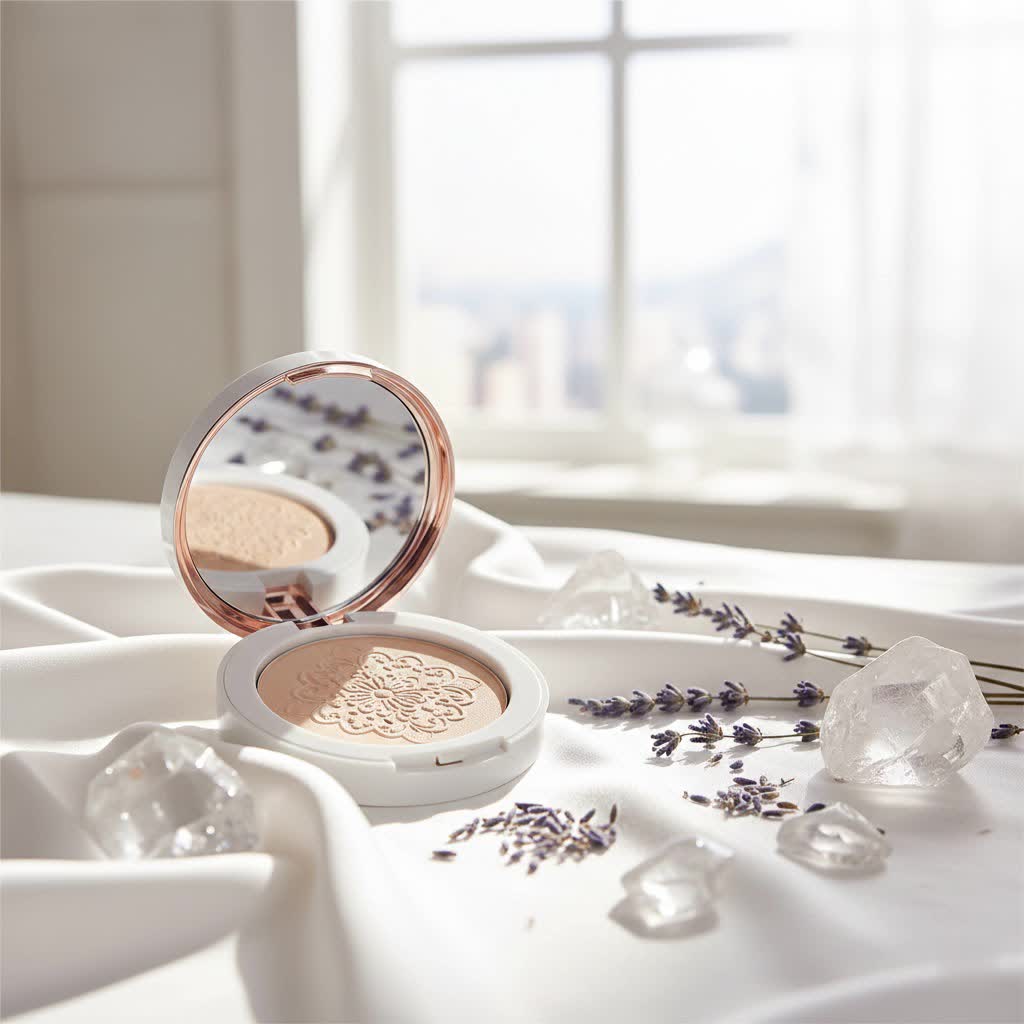
Blurring face powder is essentially a type of finishing powder meticulously designed to create a “soft-focus” effect on the skin. Think of it as your personal airbrush in a compact or jar, working diligently to minimize the appearance of pores, smooth over fine lines, and even out skin texture. Unlike traditional powders that might simply mattify or set your makeup, blurring powders employ advanced optics and finely milled ingredients to scatter light, thereby reducing the visibility of imperfections and bestowing an ethereal, polished finish. It’s about achieving that coveted “glass skin” or “filtered” look without relying on heavy coverage or digital enhancements.
The Science Behind the Smooth: How Blurring Powders Work
The magic of blurring face powder isn’t just clever marketing; it’s rooted in smart cosmetic science. These powders work their wonders primarily through two key mechanisms: light diffusion and texture refinement.
Firstly, they contain specialized light-reflecting pigments and particles. Imagine tiny, microscopic mirrors or prisms that don’t reflect light directly back but rather diffuse it in multiple directions. Ingredients like certain types of mica, often coated with metal oxides, or spherical polymer microspheres play a crucial role here. By scattering light, these particles create an optical illusion, making the eye perceive a smoother, more even surface where pores and fine lines once stood out. It’s like turning down the sharpness on a photograph of your skin.
Secondly, blurring powders often feature a blend of finely milled ingredients designed to physically smooth the skin’s surface and absorb excess oil. Common heroes in this category include:
- Silica: This incredible ingredient is a powerhouse for both oil absorption and light diffusion. Its porous structure helps soak up unwanted shine, while its spherical particles contribute to that soft-focus effect.
- Starches (like Rice Starch or Cornstarch): Natural alternatives that excel at absorbing sebum, making them ideal for oily or sensitive skin types. They also contribute to a silky, smooth feel.
- Specialized Silicones (e.g., Dimethicone/Vinyl Dimethicone Crosspolymer, Polymethylsilsesquioxane): These offer a velvety, silky texture and a remarkable light-diffusing effect. They can effectively fill in subtle lines and unevenness, creating a more uniform canvas.
- Nylon-12 and Polymethylmethacrylate: Other synthetic polymers known for their ability to diffuse light and provide a smooth, soft-focus finish.
The particles in high-quality blurring powders are typically micronized to an ultra-fine size, often between 5-20 microns. This meticulous milling process is essential; it ensures the powder feels silky rather than chalky, blends seamlessly, and enhances its optical blurring effects, all while minimizing the risk of a “cakey” appearance.
Your Perfect Match: Choosing the Right Blurring Face Powder
With an array of formulas on the market, selecting the ideal blurring face powder can feel like a quest. But understanding your skin type and desired finish will guide you to your perfect match.
Common Types of Blurring Powders
- Loose Powder: Generally the most finely milled and lightweight, loose blurring powders are fantastic for setting liquid or cream makeup, absorbing excess oil, and providing an all-over soft-focus veil. They often give the most natural, undetectable finish.
- Pressed Powder: Convenient for on-the-go touch-ups, pressed blurring powders offer a compact alternative. They can provide light coverage and are excellent for quick fixes throughout the day without disturbing your base.
- Translucent Powder: These are colorless formulas that set your makeup without adding any tint, making them versatile for a wide range of skin tones. Their primary job is to blur and mattify.
- Tinted Powder: Offering a whisper of color, tinted blurring powders can provide very light coverage, help even out skin tone, and, of course, blur imperfections. Choose a shade that closely matches your foundation or natural skin tone.
- Mineral Powder: Formulated with naturally derived minerals like zinc oxide and titanium dioxide, these can be a great option for sensitive or acne-prone skin, often being non-comedogenic and offering additional skin benefits.
|
Our Picks for the Best Face Powder in 2026
As an Amazon Associate I earn from qualifying purchases.
|
||
| Num | Product | Action |
|---|---|---|
| 1 | Laura Mercier Translucent Loose Setting Powder, 24HR Shine Control, Soft Matte Finish, Infused with Vitamins C+ E, Long-Lasting Wear, Normal to Oily Skin, 4 Shades for Virtually All Skin Tones |

|
| 2 | e.l.f. Halo Glow Soft Focus Setting Powder, Silky & Creates Soft Glow Without Shine, Smooths Pores & Lines, Vegan & Cruelty-Free, Light |
|
| 3 | Maybelline Fit Me Matte + Poreless Pressed Face Powder Makeup & Setting Powder, Fair Ivory, 1 Count |
|
| 4 | L\'Oreal Paris Infallible Blur-fection Longwear Loose Setting Powder, Blurring Face Powder With Up to 24HRs of Wear, Brightening Light Pink, 1 Kit |
|
| 5 | PÜR MINERALS 4-in-1 Pressed Mineral Makeup Powder Foundation with SPF 15 - Concealer & Finishing Compact Pressed Powder for Face - Buildable Medium to Full Coverage Foundation Powder |
|
| 6 | Maybelline Fit Me Matte + Poreless Pressed Face Powder Makeup & Setting Powder, Translucent, 1 Count |
|
| 7 | e.l.f. Perfect Finish HD Powder - Clear Women Powder 0.28 oz |
|
| 8 | Maybelline Fit Me Matte + Poreless Pressed Face Powder Makeup & Setting Powder, Natural Beige, 1 Count |
|
| 9 | e.l.f. Perfect Finish HD Powder, Blurs Fine Lines & Imperfections, All Day Wear, Perfect for On The Go, 0.28 Oz |
|
| 10 | Maybelline Fit Me Matte + Poreless Pressed Face Powder Makeup & Setting Powder, Porcelain, 1 Count |
|
Matching Powder to Your Skin
“As a veteran in the beauty industry, I’ve seen countless trends come and go, but the blurring face powder isn’t just a trend; it’s a staple. The magic lies in its ability to harness light and finely milled ingredients to create a real-life soft-focus effect, giving you that ‘filtered’ look without ever touching an app.” – Anya Sharma, Chief Beauty Editor at Iptpr.com.
- For Oily Skin: Look for blurring powders that emphasize oil control and mattifying properties. Ingredients like silica, kaolin clay, and talc will be your best friends. These powders help absorb excess sebum, keeping shine at bay and your skin looking fresh all day. Many popular choices, like MAKE UP FOR EVER HD Skin Shine-Control & Blurring Setting Powder or Maybelline Fit Me Matte + Poreless Powder, are formulated with oily skin in mind.
- For Dry Skin: The challenge here is to blur without accentuating dry patches or making your skin look parched. Opt for powders that are not overly mattifying and may contain moisturizing ingredients or have a slightly luminous finish. Some blurring powders have a “balmy” or “gel” like texture that feels more forgiving on dry skin. Avoid heavy talc-based formulas that might cling to dry areas.
- For Combination Skin: You might need a more strategic approach. Focus oil-absorbing, mattifying blurring powder on your T-zone (forehead, nose, chin) where oil tends to accumulate, and use a lighter hand or a less mattifying formula on drier areas like your cheeks.
- For Mature Skin: The goal is to blur fine lines and wrinkles without settling into them. Seek out ultra-fine, light-diffusing powders that provide a soft-focus effect without looking heavy or powdery. Products like Makeup By Mario SurrealSkin Soft Blur Setting Powder are praised for diffusing light and not emphasizing fine lines.
- For Sensitive or Acne-Prone Skin: Non-comedogenic formulas are paramount. Mineral blurring powders, often containing zinc oxide, can be a gentle option. Always check ingredient lists for potential irritants.
Masterful Application: Achieving a Flawless, Blurred Finish
Applying blurring face powder correctly is what truly unlocks its transformative power. It’s not just about dusting it on; it’s about strategic placement and technique.
Step-by-Step Guide for a Seamless Look
- Prep Your Canvas: Start with a clean, moisturized face. This is non-negotiable! Even if you have oily skin, a lightweight, non-greasy moisturizer creates a smooth base. If you use foundation, concealer, or primer, allow these liquid or cream products to fully absorb and settle for a few moments before applying powder. Applying powder onto damp skin can lead to pilling, patchiness, or uneven application.
- Choose Your Weapon (Tool): The right tool makes all the difference.
- Fluffy Powder Brush: Ideal for a light, all-over dusting, especially with loose powders.
- Powder Puff or Damp Sponge: Excellent for pressing powder into targeted areas, “baking” concealer, or achieving a more concentrated blur.
- Fan Brush: Great for a very gentle sweep of product and for dusting away excess.
- Tap Off Excess: This is a crucial step often overlooked. After swirling your brush or dabbing your puff into the powder, gently tap off any excess. This prevents over-application, which is the quickest route to a cakey finish.
- Strategic Application: Don’t just swipe it everywhere.
- Target the T-zone: This is often where shine and visible pores are most prominent. Start here and work your way outwards.
- Under-eyes: For setting concealer and blurring fine lines, use a damp sponge or a smaller fluffy brush and gently press the powder into the skin. This “baking” technique helps lock concealer in place and minimizes creasing.
- Troublesome Areas: If you have particularly large pores around your nose or chin, you can apply a light layer of blurring powder before your foundation to create a smoother surface. Then, apply your regular makeup. For general setting, apply it after your foundation and concealer, but before powder blush or bronzer. This helps blend everything seamlessly and prevents streakiness.
- Blend and Buff: After applying, use a clean, fluffy brush to gently buff and blend the edges, ensuring there are no harsh lines or visible powder patches. This creates that seamless, airbrushed transition. Avoid aggressive rubbing, which can disturb your base makeup.
Common Blurring Powder Blunders (And How to Fix Them!)
Even seasoned makeup enthusiasts can fall victim to common pitfalls when using blurring face powder. Recognizing these mistakes is the first step to a consistently flawless finish.
- Using Too Much Powder: This is arguably the most common mistake. Over-powdering leads to a heavy, chalky, or cakey appearance that can actually accentuate fine lines and make your skin look dry or aged.
- Fix It: Always start with a tiny amount. Remember, it’s easier to add more powder than to take it away. Use a light hand and build up gradually. If you’ve already applied too much, a quick spritz of a hydrating setting spray or dabbing a damp beauty blender over your face can help melt the powder into your skin.
- Applying on Damp Skin: Rushing the process and applying powder immediately after moisturizer, primer, or liquid foundation that hasn’t fully dried can lead to patchiness, pilling, or even color oxidation (where your makeup turns an orange hue).
- Fix It: Patience is key! Allow all liquid and cream products at least a few minutes to absorb and set before introducing powder.
- Rubbing or Aggressive Buffing: Vigorously rubbing the powder into your skin can disrupt your base makeup, create streaks, and potentially irritate sensitive skin.
- Fix It: Employ gentle pressing, dabbing, or light sweeping motions. Think of “stippling” rather than scrubbing. This ensures the powder adheres without moving other products.
- Not Blending Properly: Visible lines of demarcation, especially under the eyes or around the jawline, instantly ruin the “seamless” effect.
- Fix It: After applying, take a clean, soft brush and lightly buff around the edges of where you applied the powder. This helps everything merge beautifully.
- Applying Powder Everywhere (Especially for Oily Skin): While tempting, mattifying your entire face can sometimes lead to a flat, unnatural, or one-dimensional look.
- Fix It: Focus your application on areas prone to shine (like the T-zone, nose, chin). You might use a lighter touch or skip powder altogether on drier areas like the outer cheeks.
- Choosing the Wrong Shade: Even with “translucent” powders, some can have a slight tint or cause flashback if they contain too much silica, making you look ashy or ghostly in photos.
- Fix It: Always test powders in natural light. For tinted powders, ensure they match your foundation exactly. If flashback is a concern, opt for powders specifically formulated to be flashback-proof.
Frequently Asked Questions About Blurring Face Powder
Q: What is the main difference between setting powder and blurring powder?
A: While many blurring powders also act as setting powders, their primary goal is different. A setting powder’s main function is to lock makeup in place and extend its wear. A blurring powder specifically aims to create a soft-focus effect, minimizing the appearance of pores, fine lines, and texture through light diffusion. Many blurring powders offer both setting and blurring benefits.
Q: Can I use blurring powder without foundation?
A: Absolutely! Blurring powder can be a fantastic way to achieve a “no-makeup makeup” look. Applied directly onto moisturized skin, it can subtly even out skin tone, minimize shine, and blur imperfections, giving you a naturally perfected complexion without the feel of foundation.
Q: Will blurring powder make my skin look cakey?
A: Not if applied correctly! The key to avoiding a cakey look is to use a finely milled blurring powder and apply it with a light hand, tapping off any excess. Start with a small amount and build up if needed. Ensure your liquid/cream products underneath are fully absorbed to prevent product buildup.
Q: Is blurring powder suitable for all skin tones?
A: Yes, especially translucent blurring powders. These are designed to be colorless and adapt to various skin tones without altering your natural complexion. Tinted blurring powders are also available in a range of shades to match different skin tones.
Q: How often should I reapply blurring powder throughout the day?
A: This depends on your skin type and environment. If you have oily skin or notice shine breaking through, a light touch-up on your T-zone might be beneficial. For drier skin types, one application after initial makeup might suffice. Always blot away excess oil before reapplying powder to prevent cakiness.
Q: Can blurring powder help with makeup longevity?
A: Yes, many blurring powders also have excellent setting properties. By absorbing oil and creating a smooth canvas, they help to lock your foundation and concealer in place, extending the wear of your makeup throughout the day.
Final Thoughts: Embrace the Power of a Blurred Perfection
Blurring face powder is more than just another item in your makeup bag; it’s a strategic tool that can elevate your entire complexion. It’s about leveraging cosmetic science to enhance your natural beauty, giving you that airbrushed confidence without the heavy feel of layers of makeup. Whether you’re battling shine, minimizing pores, or simply seeking that elusive “filtered” finish, integrating a quality blurring face powder into your routine, and mastering its application, will unlock a new level of skin perfection. Experiment with different types and techniques, find what works best for your unique skin, and get ready to experience the transformative power of a truly blurred complexion. Share your favorite blurring powder tips with us and become part of the Iptpr beauty community!
