Stepping out with a perfectly polished complexion isn’t just a dream; it’s an achievable reality when you understand the true power of Face Powder. As a beauty expert with over 15 years in the field and a proud content creator for Iptpr.com, I’m here to demystify this essential makeup product. From battling midday shine to setting your foundation for all-day wear, face powder is the unsung hero in countless beauty routines. It’s more than just a finishing touch; it’s a strategic tool that can transform your look, enhance your skin’s texture, and ensure your makeup stays impeccable from morning coffee to evening cocktails. Get ready to explore everything you need to know about choosing, using, and loving your face powder.
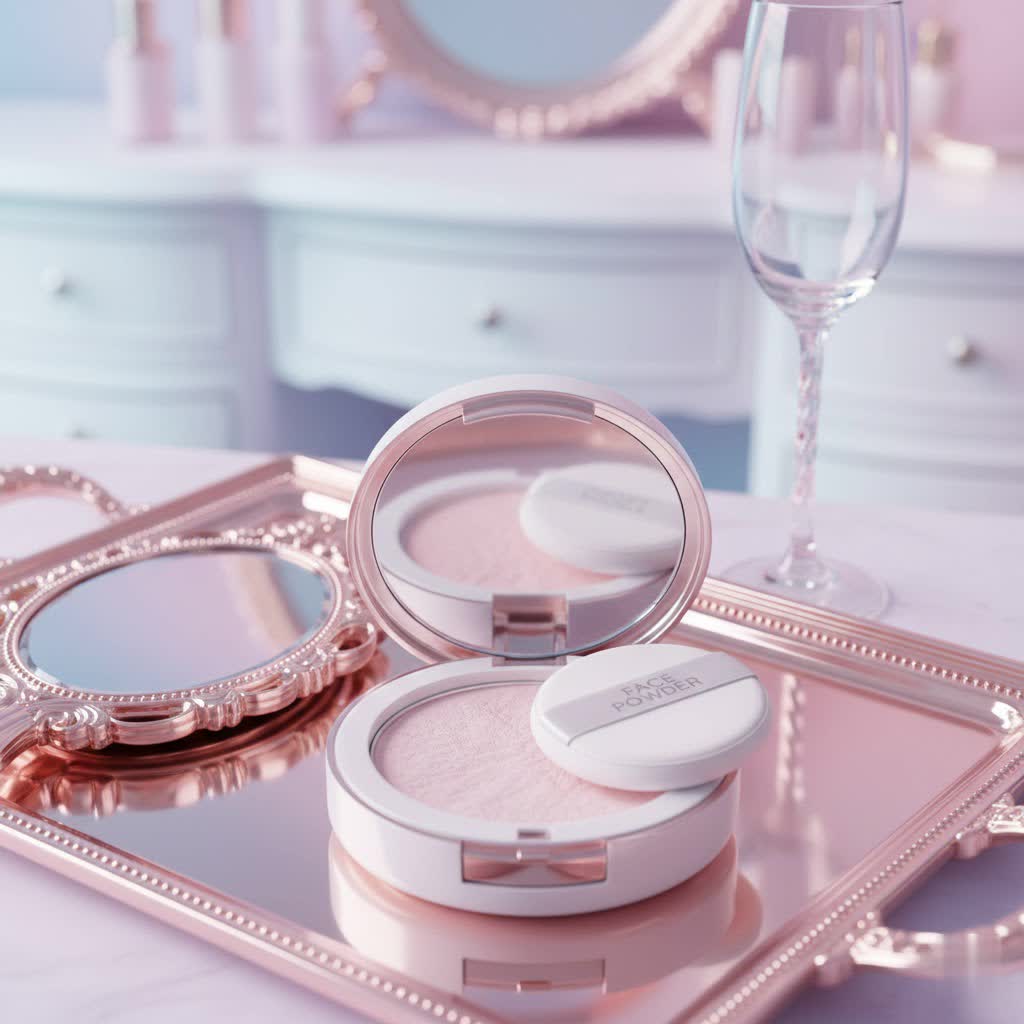
The Versatile World of Face Powders: Types and Their Magic
Face powders are not one-size-fits-all. Each type offers unique benefits and caters to different makeup goals. Understanding these distinctions is the first step toward finding your perfect match.
Loose Powder
|
Our Picks for the Best Face Powder in 2026
As an Amazon Associate I earn from qualifying purchases.
|
||
| Num | Product | Action |
|---|---|---|
| 1 | Maybelline Fit Me Matte + Poreless Pressed Face Powder Makeup & Setting Powder, Fair Ivory, 1 Count |

|
| 2 | Maybelline Fit Me Matte + Poreless Pressed Face Powder Makeup & Setting Powder, Translucent, 1 Count |
|
| 3 | e.l.f. Halo Glow Soft Focus Setting Powder, Silky & Creates Soft Glow Without Shine, Smooths Pores & Lines, Vegan & Cruelty-Free, Light |
|
| 4 | e.l.f. Perfect Finish HD Powder - Clear Women Powder 0.28 oz |
|
| 5 | Maybelline Fit Me Matte + Poreless Pressed Face Powder Makeup & Setting Powder, Porcelain, 1 Count |
|
| 6 | Laura Mercier Translucent Loose Setting Powder, 24HR Shine Control, Soft Matte Finish, Infused with Vitamins C+ E, Long-Lasting Wear, Normal to Oily Skin, 4 Shades for Virtually All Skin Tones |
|
| 7 | e.l.f. Perfect Finish HD Powder, Blurs Fine Lines & Imperfections, All Day Wear, Perfect for On The Go, 0.28 Oz |
|
| 8 | PÜR MINERALS 4-in-1 Pressed Mineral Makeup Powder Foundation with SPF 15 - Concealer & Finishing Compact Pressed Powder for Face - Buildable Medium to Full Coverage Foundation Powder |
|
| 9 | Maybelline Fit Me Matte + Poreless Pressed Face Powder Makeup & Setting Powder, Natural Beige, 1 Count |
|
| 10 | L\'Oreal Paris Infallible Blur-fection Longwear Loose Setting Powder, Blurring Face Powder With Up to 24HRs of Wear, Brightening Light Pink, 1 Kit |
|
Loose powder is typically finely milled and lightweight, often packaged in a jar. It’s fantastic for setting makeup across your entire face without adding heavy coverage. Think of it as your primary tool for absorbing excess oil and creating a soft, airbrushed finish. Many loose powders are translucent, meaning they won’t alter your foundation shade, but tinted options are also available for a touch of extra coverage or color correction.
Pressed Powder
Convenience meets control with pressed powder. This compact form is perfect for on-the-go touch-ups and offers more coverage than its loose counterpart. Pressed powders are great for concealing blemishes, evening out skin tone, and quickly blotting away shine, making them a staple in any handbag.
Translucent Powder
A true universal hero, translucent powder is colorless and designed to suit all skin tones. Its main job is to set your makeup and minimize shine without adding any extra pigment. It’s ideal for locking in your foundation and concealer, providing a smooth, matte canvas.
Mineral Powder
For those with sensitive or acne-prone skin, mineral powder is often a godsend. Made from natural minerals like zinc oxide and titanium dioxide, these powders often offer gentle, non-comedogenic coverage with added anti-inflammatory benefits and even mild sun protection. They tend to feel lighter on the skin and are less likely to cause irritation.
Setting vs. Finishing Powder
While often used interchangeably, there’s a subtle difference.
- Setting powder is designed to “set” or lock your liquid and cream makeup in place, extending its wear time and absorbing oil. It usually contains oil-absorbing ingredients like silica or talc (when used safely).
- Finishing powder is applied after setting powder (or as the final step) to blur imperfections, minimize pores, and create a smooth, airbrushed look. These are often silica-based and can have light-diffusing properties without adding color or significant oil absorption.
Tinted Powder
Tinted powders contain pigments that match various skin tones, offering light coverage while setting your makeup. They’re excellent for “no-makeup makeup” days or as a lighter alternative to foundation, providing a subtle color correction and an even complexion.
Unveiling the Science: Key Ingredients in Your Face Powder
The magic of face powder lies in its carefully selected ingredients, each playing a crucial role in its performance. Understanding these components helps you make informed choices for your skin’s needs.
Oil-Absorbing Powerhouses
- Silica: A lightweight, highly absorbent mineral that soaks up excess sebum without drying out the skin. It also creates a soft-focus effect, visibly minimizing fine lines and pores. Non-nano silica is often preferred for safety.
- Kaolin Clay: Known for its excellent oil-absorbing properties, kaolin clay helps to mattify the skin and keep shine at bay, making it a common ingredient in powders for oily and combination skin.
- Rice Starch/Cornstarch: Natural alternatives to synthetic absorbents, these starches gently absorb oil and provide a smooth, soft-focus finish. They are often found in formulas for sensitive skin due to their gentle nature.
Skin Soothers & Protectors
- Zinc Oxide: Beyond its role as a physical sunscreen agent, zinc oxide offers anti-inflammatory and antimicrobial properties. It can help calm redness and is often found in mineral powders suitable for sensitive and acne-prone skin.
- Titanium Dioxide: Another mineral UV filter that provides mild broad-spectrum sun protection and can subtly brighten the complexion. It’s also a key ingredient for providing covering power in powders.
Texture Enhancers
- Mica: This light-reflecting mineral imparts a soft-focus effect, minimizing the appearance of fine lines and pores. It can improve skin feel and product application.
- Talc: A naturally occurring mineral that provides smooth application and effective oil absorption. While widely used, it’s crucial to ensure cosmetic-grade, asbestos-free talc. Many brands now offer talc-free alternatives due to past concerns.
Hydrating Heroes
Modern face powders often blur the line between makeup and skincare, incorporating ingredients that nourish your skin.
- Hyaluronic Acid: Yes, even in powder form! Micro-encapsulated hyaluronic acid can deliver hydration upon contact with skin moisture, preventing a cakey finish, especially on drier areas.
- Squalane & Vitamin E: These emollients provide a breathable, hydrating quality, softening and moisturizing the skin while still helping to reduce shine.
As cosmetic chemist Dr. Anya Sharma wisely notes, “Your face powder is more than just a veil; it’s an active layer. The right blend of ingredients can truly support your skin’s health throughout the day, not just perfect its appearance.”
Finding Your Perfect Match: Face Powder for Every Skin Type
Choosing the ideal face powder boils down to understanding your skin’s unique needs. What works wonders for oily skin might cling to dry patches on another.
For Oily Skin: Embrace the Matte
If you’re constantly battling midday shine, look for mattifying, oil-absorbing formulas. Powders containing silica, kaolin clay, or rice powder are your best friends. Loose powders tend to offer superior oil absorption and a lightweight feel, making them perfect for your T-zone. These formulas help control excess sebum without feeling heavy or clogging pores.
For Dry Skin: Hydrate and Illuminate
Dry skin needs powders that won’t emphasize flakiness or settle into fine lines. Avoid heavy, overly matte formulas. Instead, opt for finely milled, hydrating powders with a satin or luminous finish. Look for ingredients like hyaluronic acid or squalane. Pressed powders with a more emollient feel or mineral-based tinted powders are often excellent choices, providing sheer coverage without stripping moisture. When applying, a damp beauty sponge or fluffy brush with minimal product can prevent a chalky appearance.
For Combination Skin: The Art of Balance
Combination skin, characterized by an oily T-zone and normal to dry cheeks, requires a strategic approach. Seek out balanced formulas that can control oil in your T-zone without dehydrating other areas. Lightweight translucent powders that offer a soft-matte finish are often ideal. You might even consider spot-setting, applying mattifying powder only where needed (forehead, nose, chin) and leaving drier areas untouched or using a luminous powder there.
For Sensitive and Acne-Prone Skin: Gentle is Key
For sensitive or breakout-prone skin, ingredient transparency is paramount. Choose fragrance-free, hypoallergenic, and non-comedogenic formulas. Mineral powders, typically rich in zinc oxide and titanium dioxide, are often the gentlest options, offering soothing benefits without clogging pores or causing irritation. Always check for “asbestos-free” certification if considering talc-based products.
For Mature Skin: Soft Focus, Not Heavy Coverage
Mature skin benefits from powders that soften rather than settle into lines. Avoid heavy, overly matte formulas that can accentuate wrinkles. Instead, opt for finely milled, luminous, or satin-finish powders that reflect light subtly. Silica-based HD powders are ideal as they blur texture without adding weight. Consider powders with light-reflecting pearls or microspheres to optically minimize fine lines. Application with a velour puff or dense brush, pressing rather than sweeping, can prevent product buildup in creases.
Master Your Application: Techniques for a Flawless Finish
The right tools and techniques can elevate your face powder application from good to truly flawless.
Choosing the Right Tools
- Fluffy Powder Brush: Ideal for a light, all-over dusting, providing a soft-focus, natural finish. Great for dry or mature skin.
- Powder Puff: Excellent for pressing powder into the skin, offering more coverage and longer wear. Perfect for setting makeup, especially in humid conditions or for photography (press-and-roll technique). A small, dense puff or sponge is also great for targeted application under eyes and around the nose.
- Damp Beauty Sponge/Blender: When lightly damp, it can press powder into the skin for a seamless blend, ensuring even coverage that won’t settle into fine lines. This is particularly useful for achieving a brightening effect or for working with dry skin.
Step-by-Step Application Guide
1. Prep Your Canvas
Always start with a well-moisturized and primed face. Allow your skincare and liquid/cream foundation to fully absorb (5-10 minutes) before applying powder. Applying powder to damp skin can lead to patchiness, streaks, or even oxidation.
2. Apply Strategically
- Setting Foundation/Concealer: After applying your liquid foundation and concealer, lightly dip your powder brush or puff into loose powder, tap off any excess, and gently press or roll it onto the areas you want to set. Focus on your T-zone (forehead, nose, chin) where oil tends to build up most.
- Targeted Oil Control: For oily skin, use a powder puff with loose powder and press it onto oily areas to absorb excess oil and create a velvety matte finish.
- Under-Eye Brightening: Use a smaller, dense brush or the pointed tip of a puff to press a slightly lighter shade of translucent or brightening powder under your eyes to set concealer and prevent creasing.
3. The “Baking” Technique
This technique involves applying a generous layer of loose translucent powder to specific areas (like under the eyes, T-zone, or jawline) and letting it “bake” or sit for 5-10 minutes. The warmth from your skin helps the powder melt into your base, providing intense brightening, blurring, and long-lasting wear, especially for humid conditions or camera work. After baking, gently dust off the excess with a fluffy brush.
4. Finishing Touches
After setting, you can lightly sweep a clean, fluffy brush over your entire face to blend everything seamlessly and remove any excess powder. For a natural finish, some prefer just dusting/veiling; for more glam, a setting spray can be layered on top to emulsify layers and lock in the look, especially useful for dry skin types.
Banish the Blunders: Common Face Powder Mistakes to Avoid
Even seasoned makeup users can fall into common face powder traps. Here’s how to sidestep them for a consistently flawless look.
Over-Application: The Cakey Catastrophe
“Less is more” is a golden rule with face powder. Applying too much can lead to a heavy, cakey, or unnatural finish that settles into fine lines and pores. Start with a small amount, build up if needed, and always tap off excess product from your brush or puff. If you do overdo it, a quick spritz of setting spray can help melt the powder into your skin, creating a more natural, dewy appearance.
Wrong Shade Selection
While translucent powders are forgiving, tinted or pressed powders need to match your skin tone. For oily skin, consider going a shade or half-shade lighter, as powder can oxidize and darken slightly when mixed with skin oils. For dry or combination skin, matching your exact skin tone usually works best. Always test shades in natural light, ideally on your jawline or neck for a seamless blend.
Applying to Damp Skin
Patience is a virtue! Applying powder too soon after skincare products (moisturizer, serum, sunscreen) or liquid foundation can cause uneven application, patchiness, or even make the powder look orange due to oxidation. Give your liquid products ample time (5-10 minutes) to absorb fully into the skin before reaching for your powder.
Neglecting to Blot Oily Areas
If you have oily skin and your T-zone is particularly shiny, don’t just pile on more powder. This can create a thick, cakey mess. Instead, first gently blot away excess oil with a blotting paper or tissue, then lightly apply powder to mattify the area. This ensures a fresh look without clogging pores.
Ignoring Your Skin Type
Using a mattifying, oil-absorbing powder on dry skin will likely accentuate dry patches and fine lines, making your skin look dull and dehydrated. Conversely, a hydrating, luminous powder won’t provide enough oil control for very oily skin. Always match the powder formula to your specific skin needs.
Using the Wrong Tools
The tool you use significantly impacts the finish. A dense puff for a light dusting won’t yield the same results as a fluffy brush. For full coverage, a sponge or puff is ideal. For a soft, glowy look, a powder brush is your go-to. Ensure your brushes are clean, as dirty tools can lead to uneven application and potential breakouts.
Skipping Excess Powder Removal
After applying, especially with techniques like “baking” or if you’ve applied a bit too much, always use a clean, fluffy brush to gently sweep away any excess powder. This step is crucial for achieving a natural, airbrushed finish and preventing a ghostly cast in photos.
Frequently Asked Questions (FAQ)
What is the difference between setting powder and finishing powder?
Setting powder is primarily used to lock in liquid/cream makeup and control oil, extending wear time. Finishing powder is applied as the final step to blur imperfections, minimize pores, and refine the skin’s overall appearance, often having light-diffusing properties. Many modern powders combine these functions.
Can I use face powder without foundation?
Absolutely! Many people use translucent or tinted face powder directly over moisturized skin to absorb oil, reduce shine, blur minor imperfections, and create a more even, natural-looking complexion on “no-makeup makeup” days.
How often should I reapply face powder during the day?
This depends on your skin type and environment. If you have oily skin, you might need to lightly blot and reapply powder to your T-zone every few hours. For drier skin types, a single application in the morning might suffice. Listen to your skin and touch up as needed, focusing only on shiny areas.
Does face powder clog pores?
Not necessarily, especially with modern formulations. Look for non-comedogenic face powders, which are specifically designed not to clog pores. Mineral powders are often a safe bet for acne-prone skin. Always remove your makeup thoroughly at the end of the day to prevent buildup.
Is talc in face powder safe?
Cosmetic-grade talc, when purified and free from asbestos contamination, is generally considered safe for use in makeup. However, due to historical concerns, many brands have shifted to talc-free formulas using alternatives like silica or cornstarch. If you choose a talc-based powder, ensure it explicitly states “asbestos-free.”
Conclusion: Your Powder, Your Power
Face powder is a dynamic and indispensable tool in your beauty arsenal. By understanding its diverse types, the science behind its ingredients, how to perfectly match it to your skin, and the techniques for flawless application, you’re not just applying makeup – you’re mastering an art. Here at Iptpr, we believe in empowering you with the knowledge to make confident choices for your beauty routine. Experiment, explore, and embrace the transformative power of face powder to achieve a safe, effective, and beautifully confident look every single day.
