For every woman, perfecting her makeup routine often comes down to one essential item: face powder. More than just a final flourish, the right Face Powder For Women is a game-changer, acting as the secret weapon to set foundation, banish shine, blur imperfections, and ensure your look lasts from dawn till dusk. If you’ve ever wondered how to achieve that coveted airbrushed finish or keep your complexion looking fresh throughout the day, understanding the nuances of face powder is absolutely vital. At Iptpr, we believe in empowering you with the knowledge to make informed beauty choices, transforming complex makeup science into easy-to-understand advice.
What is Face Powder & Why Do Women Use It?
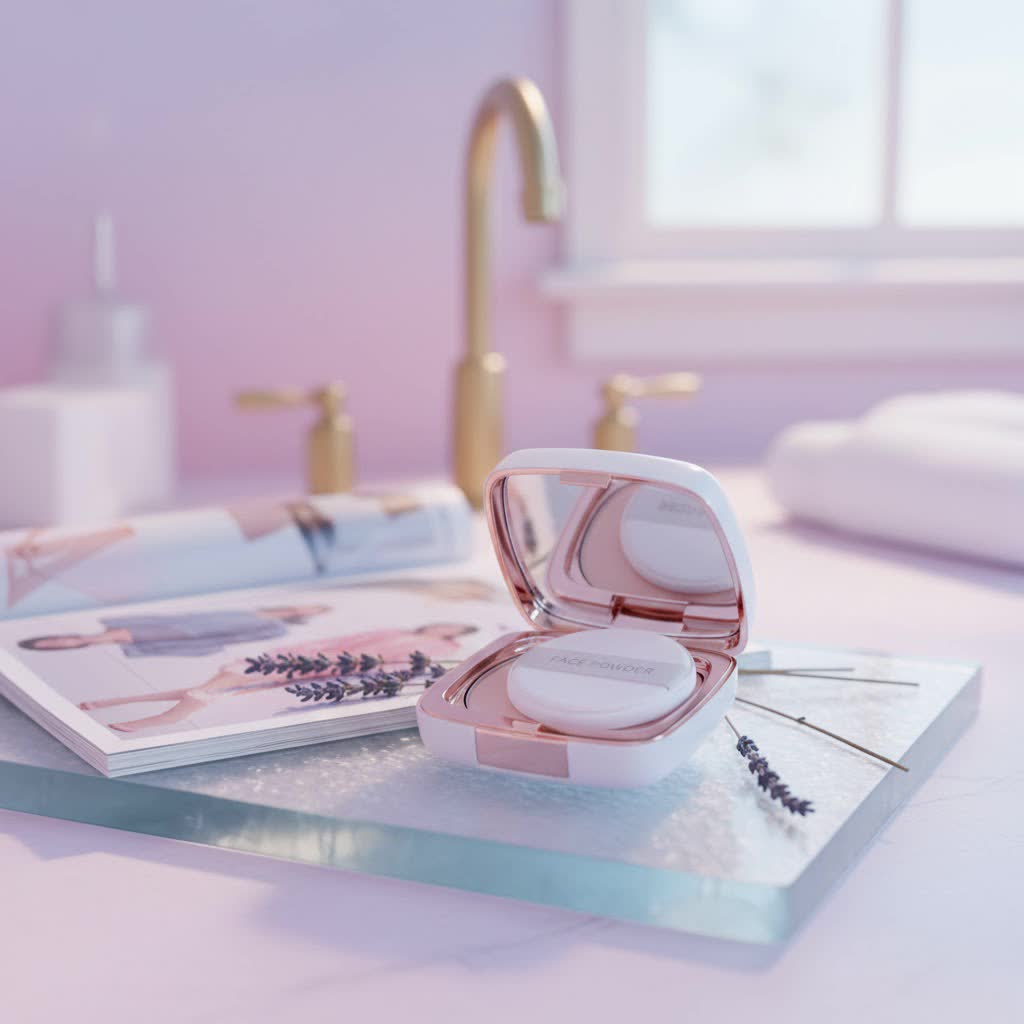
At its core, face powder is a cosmetic product applied to the face to refine and enhance your makeup. Its origins stretch back to ancient civilizations, but modern formulations offer incredible benefits far beyond historical beautification. Primarily, women use face powder to set liquid or cream foundations and concealers, preventing creasing and smudging while extending wear time. It’s also a powerhouse for absorbing excess oil, delivering a coveted matte or satin finish, and diffusing light to minimize the appearance of pores and fine lines, offering a soft-focus effect that’s akin to a real-life filter.
Unveiling the Different Types of Face Powder
The world of face powder is diverse, with each type designed to achieve specific results. Knowing the distinctions is key to selecting the best face powder for women and integrating it seamlessly into your routine.
Loose Powder
|
Our Picks for the Best Face Powder in 2026
As an Amazon Associate I earn from qualifying purchases.
|
||
| Num | Product | Action |
|---|---|---|
| 1 | L\'Oreal Paris Infallible Blur-fection Longwear Loose Setting Powder, Blurring Face Powder With Up to 24HRs of Wear, Brightening Light Pink, 1 Kit |

|
| 2 | e.l.f. Perfect Finish HD Powder, Blurs Fine Lines & Imperfections, All Day Wear, Perfect for On The Go, 0.28 Oz |
|
| 3 | Maybelline Fit Me Matte + Poreless Pressed Face Powder Makeup & Setting Powder, Natural Beige, 1 Count |
|
| 4 | e.l.f. Halo Glow Soft Focus Setting Powder, Silky & Creates Soft Glow Without Shine, Smooths Pores & Lines, Vegan & Cruelty-Free, Light |
|
| 5 | Maybelline Fit Me Matte + Poreless Pressed Face Powder Makeup & Setting Powder, Fair Ivory, 1 Count |
|
| 6 | e.l.f. Perfect Finish HD Powder - Clear Women Powder 0.28 oz |
|
| 7 | Laura Mercier Translucent Loose Setting Powder, 24HR Shine Control, Soft Matte Finish, Infused with Vitamins C+ E, Long-Lasting Wear, Normal to Oily Skin, 4 Shades for Virtually All Skin Tones |
|
| 8 | PÜR MINERALS 4-in-1 Pressed Mineral Makeup Powder Foundation with SPF 15 - Concealer & Finishing Compact Pressed Powder for Face - Buildable Medium to Full Coverage Foundation Powder |
|
| 9 | Maybelline Fit Me Matte + Poreless Pressed Face Powder Makeup & Setting Powder, Translucent, 1 Count |
|
| 10 | Maybelline Fit Me Matte + Poreless Pressed Face Powder Makeup & Setting Powder, Porcelain, 1 Count |
|
Loose powder is typically finely milled and comes in a jar. Its lightweight, airy texture makes it excellent for all-over setting, providing superior oil absorption without adding heavy coverage. Often chosen by makeup artists for its ability to create a smooth, airbrushed finish, it’s perfect for setting your entire face or for techniques like “baking.”
Pressed Powder
Convenience is the hallmark of pressed powder. This type is loose powder compacted into a solid form, making it portable and ideal for touch-ups on the go. Pressed powders often offer light to medium coverage and can be used to set makeup, provide a quick mattifying effect, or even act as a lightweight foundation on minimal makeup days.
Translucent Powder
A universal hero, translucent powder is colorless, meaning it sets your makeup without altering the shade of your foundation or adding coverage. It’s a fantastic option for all skin tones and is primarily used to mattify and prolong makeup wear, offering an invisible finish that helps to control shine.
Mineral Powder
For those seeking a more natural approach, mineral powder is a superb choice. Formulated with natural minerals like zinc oxide and titanium dioxide, these powders often provide buildable coverage and can be less irritating for sensitive or acne-prone skin. They can be used as a finishing powder, setting powder, or even as a standalone foundation.
Setting Powder vs. Finishing Powder
While often used interchangeably, these two have distinct roles. A setting powder is applied immediately after liquid or cream products to “lock” them in place, preventing transfer and extending longevity. It’s typically matte and absorbent. A finishing powder, on the other hand, is the very last step in your routine, designed to blur imperfections, smooth texture, and give a soft-focus, airbrushed effect. Finishing powders can be luminous or satin, adding a subtle glow rather than just mattifying.
Demystifying the Ingredients: What’s in Your Face Powder?
Understanding the composition of your face powder is crucial for its performance and your skin’s health. Different ingredients offer distinct benefits.
Beneficial Ingredients:
- Silica: An excellent oil absorber and texture softener, silica is ideal for oily and combination skin types, helping to blur pores.
- Rice Starch or Cornstarch: Natural alternatives to talc, these absorb excess sebum and lend a silky feel to the skin.
- Hyaluronic Acid: Increasingly found in modern hydrating powders, it helps bind moisture to the skin without adding heaviness, making it beneficial for dry skin.
- Zinc Oxide & Titanium Dioxide: Often found in mineral powders, these provide soothing benefits and can offer a degree of natural sun protection.
- Vitamin E: A powerful antioxidant that helps protect the skin from environmental stressors.
- Mica: Adds luminosity and a soft glow, often found in radiant or finishing powders.
Ingredients to Consider/Avoid:
- Talc: While cosmetic-grade talc is generally considered safe, some individuals with respiratory sensitivities or very reactive skin might prefer talc-free formulas. Modern talc is often free from asbestos.
- Fragrance/Parfum: A common irritant for sensitive skin types. If you have reactive skin, opting for fragrance-free options is always a good idea.
Finding Your Perfect Match: Face Powder for Every Skin Type
The key to a flawless face powder application lies in choosing a product that complements your unique skin type.
Oily Skin
If your T-zone tends to shine by midday, you need oil-absorbing power. Look for mattifying loose powders with ingredients like silica, kaolin clay, or rice starch. These work wonders to control excess sebum without clogging pores. A translucent loose powder is often the best face powder for women with oily skin.
Dry Skin
Dry skin needs hydration, not further dehydration. Avoid heavy, matte formulas that can cling to dry patches. Instead, opt for hydrating pressed powders, or luminous powders with ingredients like hyaluronic acid or jojoba oil. Loose powders with a satin or radiant finish can also work beautifully, provided your skin is well-moisturized beforehand.
Combination Skin
This skin type requires a strategic approach. Use translucent or mattifying powder primarily on your T-zone (forehead, nose, chin) where oil builds up, leaving drier areas like your cheeks bare or using a more luminous finish there for balance.
Sensitive Skin
For sensitive skin, prioritize hypoallergenic, fragrance-free, and non-comedogenic formulas. Mineral-based powders containing zinc oxide or titanium dioxide are often gentler and can even offer anti-inflammatory benefits. Always patch-test new products.
Mature Skin
As skin matures, it often loses moisture and elasticity, making fine lines more visible. Avoid overly drying or heavy powders that can settle into creases and accentuate texture. Choose lightweight, hydrating, and light-reflecting powders that blur imperfections without dehydrating, offering a luminous or satin finish.
Matching Your Shade & Undertone
For tinted powders, matching your shade is crucial. Test the powder on your jawline in natural light to find the closest match. Understanding your undertone (cool, warm, or neutral) can also guide your choice. A powder that’s too light can look ashy, while one too dark can appear muddy. Translucent powder is a versatile option if you struggle to find an exact shade match.
Mastering the Art: How to Apply Face Powder Like a Pro
Applying face powder correctly is crucial for an airbrushed, long-lasting finish.
Prep Your Canvas
Never apply powder directly onto bare, unmoisturized, or wet skin. Start with a clean, well-hydrated face. Apply your moisturizer and primer, allowing liquid or cream foundations and concealers to settle for a few moments before going in with powder. This prevents patchiness and ensures smooth adhesion.
Choosing Your Tool
The right tool makes all the difference for face powder for women:
- Large, Fluffy Brush: Ideal for a light, all-over dusting of loose powder, providing a natural finish.
- Powder Puff: Excellent for pressing loose powder into the skin, especially for baking or targeted setting, absorbing oil and creating a velvety matte finish.
- Damp Beauty Sponge: Can be used to press setting powder into specific areas like under the eyes for maximum longevity and a seamless blend.
Application Techniques
- Light Dusting (All-Over Setting): Dip a fluffy brush into translucent or setting powder, tap off any excess, and lightly sweep it across your T-zone and any other areas prone to shine. Use light, circular motions, avoiding heavy swiping.
- Targeted Baking: This technique is fantastic for locking in concealer under the eyes, setting contour, or mattifying oily areas. Apply a generous amount of loose powder with a damp sponge or puff to the desired areas. Let it “bake” for 5-10 minutes, allowing the powder to warm and melt into the skin, then gently dust off the excess with a clean, fluffy brush.
- Pressing vs. Sweeping: For areas where you want to set makeup without disturbing it, especially under the eyes, a gentle pressing motion with a puff or sponge is superior to sweeping. Sweeping can move your base makeup around.
Avoiding Common Pitfalls: Face Powder Mistakes to Sidestep
Even with the best intentions, it’s easy to make mistakes when applying face powder. Here’s how to ensure a flawless application every time.
Using Too Much Powder
One of the most common errors is over-powdering, which leads to a cakey, dull, or aged appearance. Remember, less is almost always more when it comes to face powder for women. Start with a small amount and build up if needed, focusing on areas that truly require mattifying or setting.
Applying on Damp Skin
Applying powder over foundation or skincare that hasn’t fully absorbed can cause it to cling unevenly, creating patches or even altering the product’s color through oxidation. Always wait a few minutes after applying liquid or cream products.
Ignoring Excess Powder
Failing to dust off excess powder can result in a visible white cast, especially under flash photography. After applying, take a clean, fluffy brush and gently sweep away any unabsorbed product.
Applying Everywhere
Not all areas of your face need powder. Applying it all over, particularly on dry areas, can make your complexion look flat and lifeless. Focus on your T-zone and other oily spots, and be cautious around the outer edges of your face and hairline to avoid residue.
Wrong Shade/Undertone
Using a tinted powder that is too light can give a ghostly or ashy appearance, while one that’s too dark can make your complexion look muddy or unnatural. Always ensure your tinted face powder matches your foundation or skin tone perfectly.
Expert Tips for a Flawless Finish
With my 15 years of experience in the beauty industry, I’ve picked up a few tricks that can elevate your face powder game.
- Layering Wisely: Apply powder after foundation and concealer but before blush, bronzer, or highlighter. This creates a smooth canvas, prevents colors from skipping or appearing patchy, and helps them blend seamlessly.
- Setting Spray After Powder: This might sound counterintuitive, but a fine mist of setting spray after powder can melt all your makeup layers together, taking away any powdery finish and giving a more natural, skin-like look.
- Tool Hygiene is Paramount: Dirty brushes and sponges can harbor bacteria, leading to breakouts, and can also make your powder application uneven and streaky. “Regularly cleaning your makeup tools is non-negotiable for a flawless finish and healthy skin,” advises Dr. Anya Sharma, a cosmetic chemist and skincare expert. “It ensures your powders perform their best and keeps your complexion clear.”
- Blot Before Reapplying: If you need a midday touch-up, always blot away excess oil with a tissue or blotting paper before adding more face powder. Layering powder directly onto oily skin can lead to a cakey, clumpy mess.
Face Powder: Your Ultimate FAQ
Q1: What is the main difference between loose and pressed powder?
A: Loose powder is finely milled, providing a lightweight, often sheer finish, ideal for all-over setting and absorbing oil. Pressed powder is compacted, making it portable for touch-ups and offering light to medium coverage.
Q2: Can I wear face powder without foundation?
A: Absolutely! Many women use face powder, especially tinted pressed powder or mineral powder, on its own for light coverage, to even out skin tone, or to simply control shine on “no-makeup” makeup days.
Q3: How do I avoid looking cakey when using face powder?
A: The key is to use a light hand. Focus powder on oily areas like the T-zone, use a fluffy brush for a sheer application, and always tap off excess product before applying. Proper skin prep (moisturizer, primer) is also essential.
Q4: Should I apply face powder before or after blush?
A: Generally, apply face powder after your liquid or cream foundation and concealer, but before your powder blush, bronzer, or highlighter. This creates a smooth base for other powder products to blend onto.
Q5: Is translucent powder truly universal for all skin tones?
A: Most translucent powders are designed to be colorless and work across all skin tones, setting makeup without adding pigment. However, some formulations can appear chalky or leave a slight white cast on deeper skin tones, especially in flash photography. Always check reviews or swatch if possible.
Q6: How often should I reapply face powder during the day?
A: Reapply as needed, typically in your T-zone, if you notice shine returning. Remember to blot away excess oil first, and use a light hand to avoid buildup.
Q7: What ingredients should I look for in face powder if I have sensitive skin?
A: For sensitive skin, opt for fragrance-free, non-comedogenic formulas, and consider mineral-based powders containing zinc oxide or titanium dioxide, which are known for their soothing properties.
Conclusion
Mastering the art of face powder for women is about more than just vanity; it’s about understanding your skin, knowing your tools, and choosing the right formulas to enhance your natural beauty. Whether you’re battling shine, seeking extended wear, or simply craving that soft-focus finish, the perfect powder is out there. By applying these expert insights and tips from Iptpr, you’ll feel confident and empowered to select and use face powder safely and effectively, achieving a truly flawless and long-lasting look. Go ahead, experiment, and discover the transformative power of the right face powder for you!
