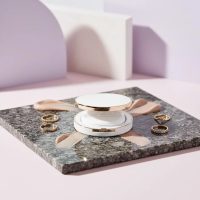
As someone who’s spent over 15 years immersed in the world of face powder, I’ve seen countless trends come and go. Yet, one constant remains: the universal desire for a flawless finish that doesn’t irritate. For those with sensitive skin, finding that perfect powder can feel like navigating a minefield, but that’s where hypoallergenic face powder steps in as your skin’s true best friend. It’s more than just makeup; it’s peace of mind, allowing you to enhance your beauty without compromising your well-being. At Iptpr, we believe in empowering you with the knowledge to make safe, effective choices for your skin, and today, we’re diving deep into everything you need to know about hypoallergenic face powder.
What Exactly is Hypoallergenic Face Powder?
The term “hypoallergenic” often sparks a sense of security, but it’s essential to understand its true meaning. In essence, a hypoallergenic face powder is specifically formulated to contain fewer common allergens and irritants, thus making it less likely to cause an allergic reaction compared to conventional products. However, it’s not a guarantee that a product is 100% allergy-proof for everyone, as individual sensitivities can vary greatly.
A key point to remember is the lack of strict governmental regulation around this term. As Christina Korouchtsidi, a Skincare Specialist with over a decade of experience, wisely notes, “Many people assume that because a product is sold in a department store or labeled as ‘cosmetic,’ it must be safe. But the truth is, the FDA doesn’t require pre-market approval for most cosmetic ingredients. That means potentially harmful substances can sit on shelves for years before being flagged.” This regulatory gap places the onus on us, as discerning consumers, to scrutinize ingredient lists and understand what we’re truly applying to our delicate skin.
Why Choose Hypoallergenic Face Powder? The Benefits for Sensitive Skin
The benefits of opting for hypoallergenic face powder extend far beyond simply avoiding irritation. For sensitive skin types, these carefully formulated powders offer a sanctuary, providing a multitude of advantages:
- Minimizes Irritation, Redness, and Itching: By excluding common culprits like synthetic fragrances and harsh preservatives, hypoallergenic formulas drastically reduce the likelihood of adverse reactions, leaving your skin feeling calm and comfortable.
- Prevents Breakouts and Clogged Pores: Many hypoallergenic powders are also non-comedogenic, meaning they are designed not to block pores, a common trigger for acne and blackheads. This is crucial for maintaining clear, healthy skin.
- Supports Skin Barrier Health: Ingredients in standard powders can sometimes strip the skin’s natural oils or disrupt its protective barrier. Hypoallergenic options are often enriched with gentle components that respect and even support your skin’s natural defenses.
- Provides a Smooth, Flawless Finish Without Compromise: You don’t have to sacrifice aesthetic appeal for safety. Modern hypoallergenic face powders deliver exceptional performance, offering excellent oil control, setting power, and blurring effects, ensuring your makeup looks impeccable all day.
- Offers Specific Benefits: Depending on the formulation, hypoallergenic powders can also provide mild sun protection (thanks to mineral ingredients), soothe inflammation with botanical extracts, or even help manage oily shine without triggering sensitivity.
The “Dirty Dozen” (and More): Ingredients to Avoid in Your Face Powder
Understanding what to avoid is just as critical as knowing what to seek out when choosing hypoallergenic face powder. Many common ingredients, while effective for some, can be potent triggers for sensitive skin. Here’s a breakdown of the top offenders to steer clear of:
- Talc: This naturally occurring mineral is often used for its silky texture and oil-absorbing properties. However, talc can be contaminated with asbestos, a known carcinogen. Even asbestos-free talc has been linked to respiratory issues when inhaled. Always check labels, as it can sometimes appear as “magnesium silicate.”
- Parabens (Methylparaben, Propylparaben, Butylparaben): These synthetic preservatives are used to extend product shelf life. Unfortunately, parabens can mimic estrogen in the body, potentially disrupting the endocrine system. The European Union has restricted certain parabens due to safety concerns.
- Synthetic Fragrances (“Fragrance” or “Parfum”): This vague term can hide hundreds of undisclosed chemicals, many of which are known allergens, irritants, or endocrine disruptors, including phthalates. Even “unscented” products might contain masking fragrances. Fragrance is a top trigger for inflammation and breakouts in sensitive skin.
- Bismuth Oxychloride (CI 77163): Often used to give powders a luminous finish, this pearlescent mineral is notorious for causing irritation, especially in individuals with sensitive or rosacea-prone skin. Its sharp crystalline structure can microscopically scratch the skin, leading to itching, redness, and a stinging sensation.
- Formaldehyde-Releasing Preservatives (DMDM Hydantoin, Imidazolidinyl Urea, Quaternium-15): These chemicals slowly release formaldehyde, a known human carcinogen, to prevent bacterial growth. They can cause allergic reactions, dermatitis, and respiratory irritation, even at low levels.
- Coal Tar Dyes (e.g., FD&C or D&C followed by a color and number): Derived from petroleum, these synthetic colors may contain heavy metals and are linked to skin irritation and potential carcinogenicity.
- Other Common Irritants: Be wary of irritating waxes, certain chemical filters, some preservatives like sorbic acid and sodium hydroxide, and botanical extracts like coconut oil or citrus reticulata extracts, which can sometimes act as cross-reactants in sensitive individuals.
The “Clean Crew”: Ingredients Your Sensitive Skin Will Love
Now that we know what to avoid, let’s explore the ingredients that form the backbone of a truly great hypoallergenic face powder. These components are chosen for their gentle nature, effectiveness, and ability to work harmoniously with sensitive skin:
- Mineral-Based Ingredients: Look for powders containing zinc oxide and titanium dioxide. These inert minerals not only provide light coverage and help soothe inflammation but also offer broad-spectrum sun protection, acting as physical UV filters.
- Natural Starches: Rice starch and corn starch are excellent, natural, and highly absorbent alternatives to talc. They help control oil and mattify the skin without clogging pores or causing irritation.
- Silica (Non-Nano): A mineral known for its superb blurring effect and oil-absorbing capabilities. Always opt for “non-nano” forms to prevent potential penetration into deeper skin layers.
- Gentle Emollients: Ingredients like cetearyl octanoate, dicaprylyl ether, and caprylic/capric triglyceride provide hydration and improve the product’s feel on the skin without causing sensitivity.
- Soothing Botanicals: Extracts such as chamomile, green tea, and calendula are celebrated for their calming and anti-inflammatory properties, making them excellent additions to sensitive skin formulations.
- Acne-Friendly Ingredients: For those with sensitive and acne-prone skin, some hypoallergenic powders may include beneficial ingredients like salicylic acid or azelaic acid to address breakouts without triggering further irritation.
- Free-From Claims: Prioritize powders explicitly labeled as fragrance-free, dye-free, paraben-free, talc-free, and non-comedogenic. These claims indicate a conscious effort to remove common irritants.
Choosing the Right Hypoallergenic Face Powder for Your Skin Type
Selecting the ideal hypoallergenic face powder isn’t a one-size-fits-all affair. Your specific skin type plays a crucial role in determining which formula will perform best for you.
-
Understanding Your Skin:
- Oily Skin: Look for powders with strong oil-absorbing ingredients like silica or rice starch, offering a matte finish.
- Dry Skin: Opt for powders that provide a more luminous or satin finish, often containing emollients, and avoid overly mattifying formulas that can emphasize dryness.
- Combination Skin: You might benefit from a powder that balances oil control in the T-zone with a gentler approach for drier areas.
- Acne-Prone Skin: Non-comedogenic is paramount. Mineral powders with zinc oxide can be particularly beneficial for their soothing properties.
- Mature Skin: Seek finely milled powders that won’t settle into fine lines and provide a soft-focus effect without looking cakey.
-
Loose vs. Pressed Powder:
- Loose Powders: Generally contain fewer binding ingredients and preservatives, making them often ideal for sensitive skin. However, they pose a higher inhalation risk if puffed into the air.
- Pressed Powders: More convenient for touch-ups and travel, with less inhalation risk. Ensure they are still formulated without common irritants.
-
The Power of Patch Testing: This step is non-negotiable! Before applying any new product to your entire face, always perform a patch test on a small, inconspicuous area (like behind your ear or on your inner forearm) for 24-48 hours. This helps identify any potential adverse reactions.
-
Decoding Labels Beyond “Hypoallergenic”: Don’t rely solely on marketing claims. Look for third-party certifications like COSMOS, Leaping Bunny (cruelty-free), or MADE SAFE, which signify rigorous ingredient vetting and ethical sourcing. Prioritize formulations with short, recognizable ingredient lists, ideally fewer than 15 components, as this often indicates fewer potential irritants.
-
When to Consult a Dermatologist: If you have severely sensitive skin, persistent allergic reactions, or specific skin conditions like rosacea or eczema, consulting a dermatologist is always recommended. They can help identify specific triggers and guide you toward the most suitable products.
Mastering Application: Tips for a Flawless, Irritation-Free Finish
Even the most thoughtfully chosen hypoallergenic face powder can fall short if not applied correctly. Here’s how to ensure a seamless, irritation-free finish:
- Prep is Key: Always start with a clean, well-moisturized face. Allow all your skincare products (serums, moisturizers, SPF) to fully absorb for at least 5-10 minutes before applying powder. This creates a smooth canvas and prevents the powder from clinging to dry patches or pilling.
- Tools Matter: Invest in soft, high-quality brushes specifically designed for face powder. Natural hair brushes are often preferred for their ability to pick up and distribute powder evenly. For loose powders, a large, fluffy brush works well. For pressed powders, a denser brush or a puff can be effective. Remember to keep your tools impeccably clean to avoid introducing bacteria or old makeup to your sensitive skin.
- Gentle Application: Instead of sweeping or dragging, use a gentle patting or pressing motion to apply powder. This technique minimizes friction, which can irritate sensitive skin, and helps the powder melt into your foundation for a natural look.
- Less is More: Start with a small amount of product and build coverage gradually. Over-applying powder can make your skin look dry, cakey, and emphasize texture, negating the benefits of a gentle formula. Focus on areas prone to shine, like the T-zone, and lightly dust the rest of your face.
- For Loose Powder: Tap a small amount into the lid, swirl your brush, tap off excess, then gently press and roll onto the skin. When using a puff, press it onto the back of your hand first to evenly distribute the product before applying to your face.
- For Pressed Powder: Swirl your brush lightly over the pan, tap off excess, and press onto the skin where needed for touch-ups or to set your base.
Common Mistakes to Avoid When Using Face Powder
Even experienced makeup enthusiasts can fall into common traps when using face powder, particularly with sensitive skin in mind.
- Mistake 1: Assuming “Dermatologist-Tested” Means Universally Safe. As we discussed, this phrase is often a marketing tactic and does not guarantee a product is non-toxic or suitable for all skin types. Always look beyond this claim to the actual ingredient list and certifications.
- Mistake 2: Ignoring Inhalation Risks, Especially with Loose Powders. Fine particles from loose powders, particularly talc or nano-sized minerals, can be inhaled, potentially irritating the lungs or carrying toxins into the bloodstream. When possible, opt for pressed powders or apply loose powder with a damp sponge rather than dusting it liberally into the air.
- Mistake 3: Overlooking Comedogenic Ingredients. Some powders, even those claiming to be “oil-free,” might contain ingredients like certain silicones, waxes, or heavy minerals that can clog pores and lead to breakouts. Research ingredients using resources like ingredient dictionaries to ensure they have low comedogenic ratings.
- Mistake 4: Blindly Trusting “Hypoallergenic” Claims Without Checking Ingredients. The term “hypoallergenic” is not regulated by the FDA, meaning a product can still contain common allergens like synthetic fragrances or certain preservatives and still carry this label. Always review the full ingredient list and prioritize minimal formulations to truly safeguard your sensitive skin.
Expert Insight: A Note from the Pros
“Choosing a hypoallergenic face powder is a powerful act of self-care. It’s about prioritizing your skin’s long-term health over immediate cosmetic appeal, knowing that true beauty shines brightest when your skin feels its best. Don’t compromise on transparency; empower yourself with knowledge.” — Dr. Anya Sharma, Lead Skincare Formulator, Iptpr Laboratories.
Frequently Asked Questions (FAQ)
What is the difference between hypoallergenic and non-comedogenic?
|
Our Picks for the Best Face Powder in 2026
As an Amazon Associate I earn from qualifying purchases.
|
||
| Num | Product | Action |
|---|---|---|
| 1 | Maybelline Fit Me Matte + Poreless Pressed Face Powder Makeup & Setting Powder, Natural Beige, 1 Count |

|
| 2 | L\'Oreal Paris Infallible Blur-fection Longwear Loose Setting Powder, Blurring Face Powder With Up to 24HRs of Wear, Brightening Light Pink, 1 Kit |
|
| 3 | Maybelline Fit Me Matte + Poreless Pressed Face Powder Makeup & Setting Powder, Porcelain, 1 Count |
|
| 4 | Maybelline Fit Me Matte + Poreless Pressed Face Powder Makeup & Setting Powder, Translucent, 1 Count |
|
| 5 | Maybelline Fit Me Matte + Poreless Pressed Face Powder Makeup & Setting Powder, Fair Ivory, 1 Count |
|
| 6 | e.l.f. Perfect Finish HD Powder, Blurs Fine Lines & Imperfections, All Day Wear, Perfect for On The Go, 0.28 Oz |
|
| 7 | PÜR MINERALS 4-in-1 Pressed Mineral Makeup Powder Foundation with SPF 15 - Concealer & Finishing Compact Pressed Powder for Face - Buildable Medium to Full Coverage Foundation Powder |
|
| 8 | e.l.f. Perfect Finish HD Powder - Clear Women Powder 0.28 oz |
|
| 9 | e.l.f. Halo Glow Soft Focus Setting Powder, Silky & Creates Soft Glow Without Shine, Smooths Pores & Lines, Vegan & Cruelty-Free, Light |
|
| 10 | Laura Mercier Translucent Loose Setting Powder, 24HR Shine Control, Soft Matte Finish, Infused with Vitamins C+ E, Long-Lasting Wear, Normal to Oily Skin, 4 Shades for Virtually All Skin Tones |
|
Hypoallergenic means a product is formulated to be less likely to cause allergic reactions by avoiding common irritants. Non-comedogenic means the product is designed not to clog pores, which helps prevent acne and breakouts. A product can be both, and for sensitive, acne-prone skin, it’s ideal to look for both claims.
Can hypoallergenic face powder still cause breakouts?
Yes, it can. While hypoallergenic powders minimize irritation, they might still contain ingredients that could be comedogenic (pore-clogging) for some individuals. Always check for “non-comedogenic” on the label, and if you have acne-prone skin, look for formulas specifically tailored for it.
How do I know if a powder is genuinely hypoallergenic?
Since “hypoallergenic” is not strictly regulated, the best way to assess a powder’s suitability is to thoroughly read the full ingredient list. Look for formulations free from common irritants like synthetic fragrances, parabens, talc, and bismuth oxychloride. Prioritize brands that are transparent about their ingredients and ideally have third-party certifications.
Is mineral powder always hypoallergenic?
Mineral powders are often a great choice for sensitive skin because they typically avoid parabens, synthetic dyes, and fragrances. However, not all mineral powders are automatically hypoallergenic. Some may contain bismuth oxychloride, which can irritate sensitive skin, or nano-particles. Always look for “bismuth oxychloride-free” and “non-nano” on the label for the safest mineral option.
How long does hypoallergenic face powder last on the skin?
The longevity of hypoallergenic face powder depends on several factors, including your skin type, environmental conditions, and the specific formulation of the powder. Generally, a good quality powder can help set makeup and control shine for 4-8 hours. For extended wear, a touch-up might be necessary, especially in oily areas.
Can men use hypoallergenic face powder?
Absolutely! Hypoallergenic face powder is suitable for anyone looking to control shine, blur imperfections, or set makeup without irritating sensitive skin. Many men use translucent or lightly tinted powders for a natural, refined look, especially if they have oily skin or issues like razor burn sensitivity.
What’s the best way to remove hypoallergenic face powder?
To remove hypoallergenic face powder and all other makeup effectively and gently, start with an oil-based cleanser or micellar water to break down the product. Follow up with a gentle, hydrating facial cleanser suitable for sensitive skin. Finish with your regular skincare routine to ensure your skin is clean, balanced, and ready to breathe.
Your Path to a Radiant, Calm Complexion Starts Here
Navigating the vast world of face powder can be daunting, especially when sensitive skin is a concern. But armed with the insights shared today, you are now empowered to make informed, confident choices. Hypoallergenic face powder isn’t just a trend; it’s a mindful approach to beauty that prioritizes your skin’s health and comfort.
By consciously avoiding common irritants and embracing skin-loving ingredients, you’re not only achieving a stunning finish but also nurturing your skin from within. At Iptpr, we champion this philosophy, and we encourage you to join our community of informed beauty enthusiasts. Explore, experiment, and most importantly, listen to your skin. Share your journey and discoveries with us – because when it comes to healthy, radiant skin, every choice truly makes a difference.
Get our weekly buyer guide
Practical specs, not advice. Unsubscribe anytime.